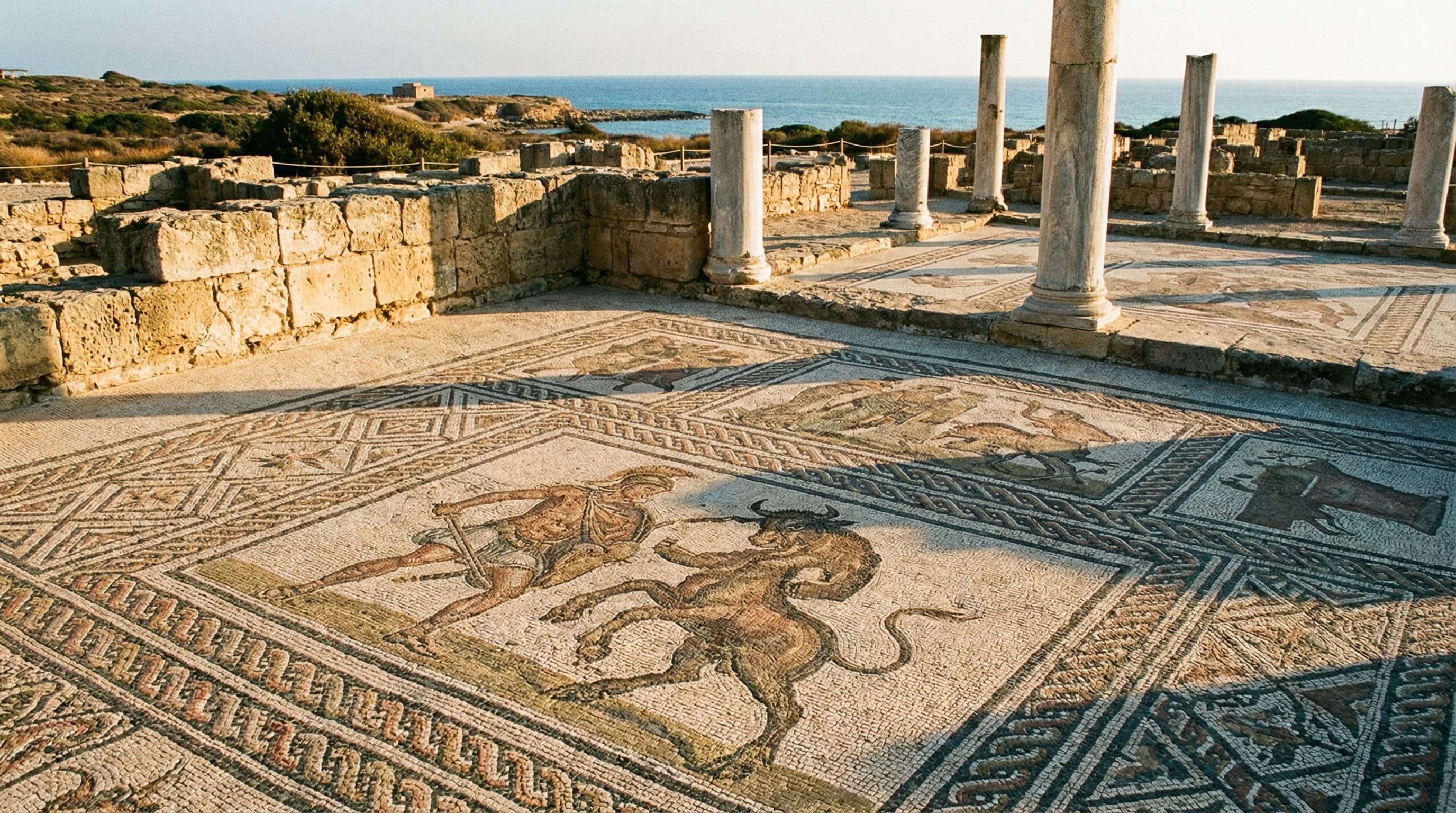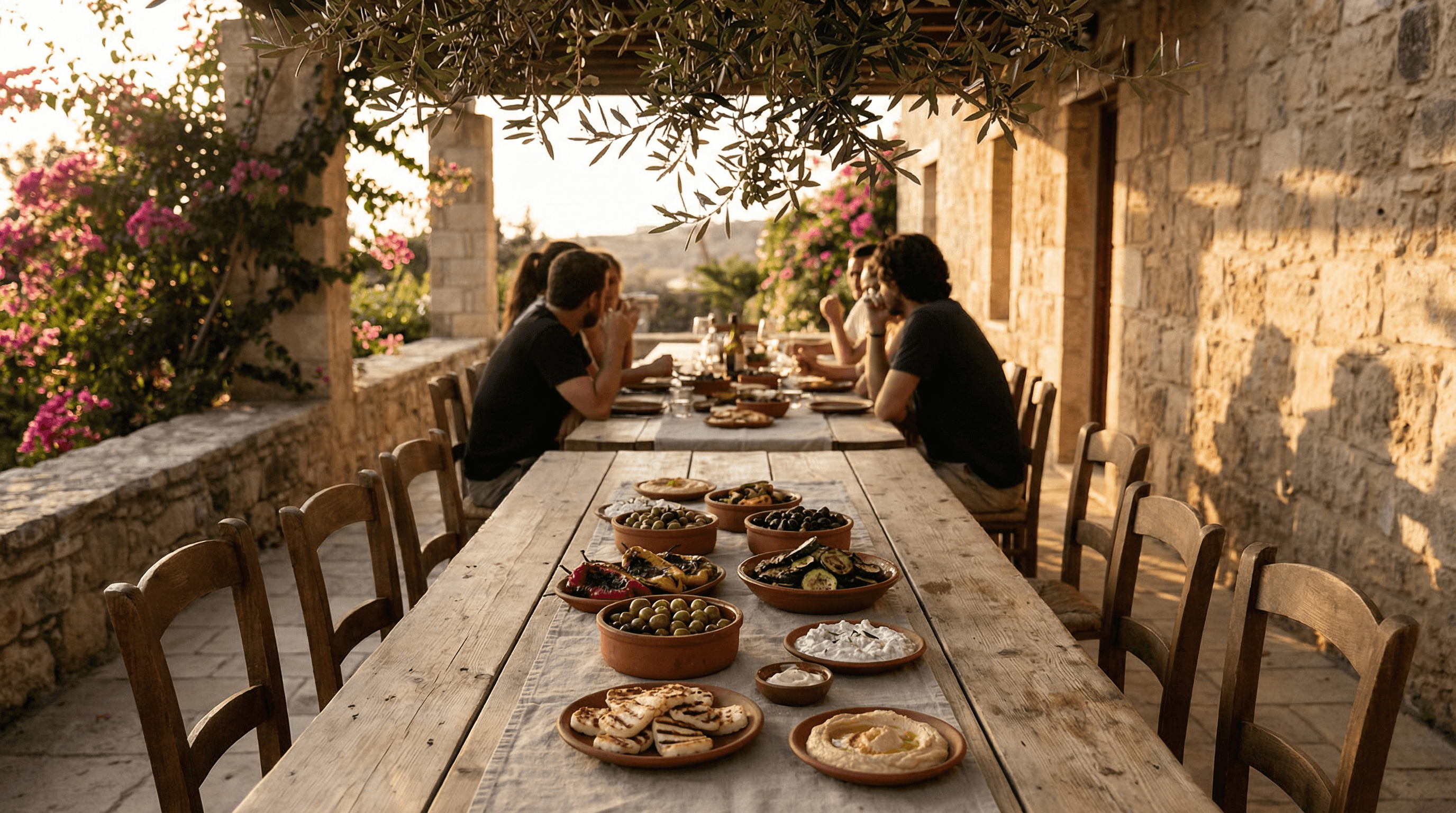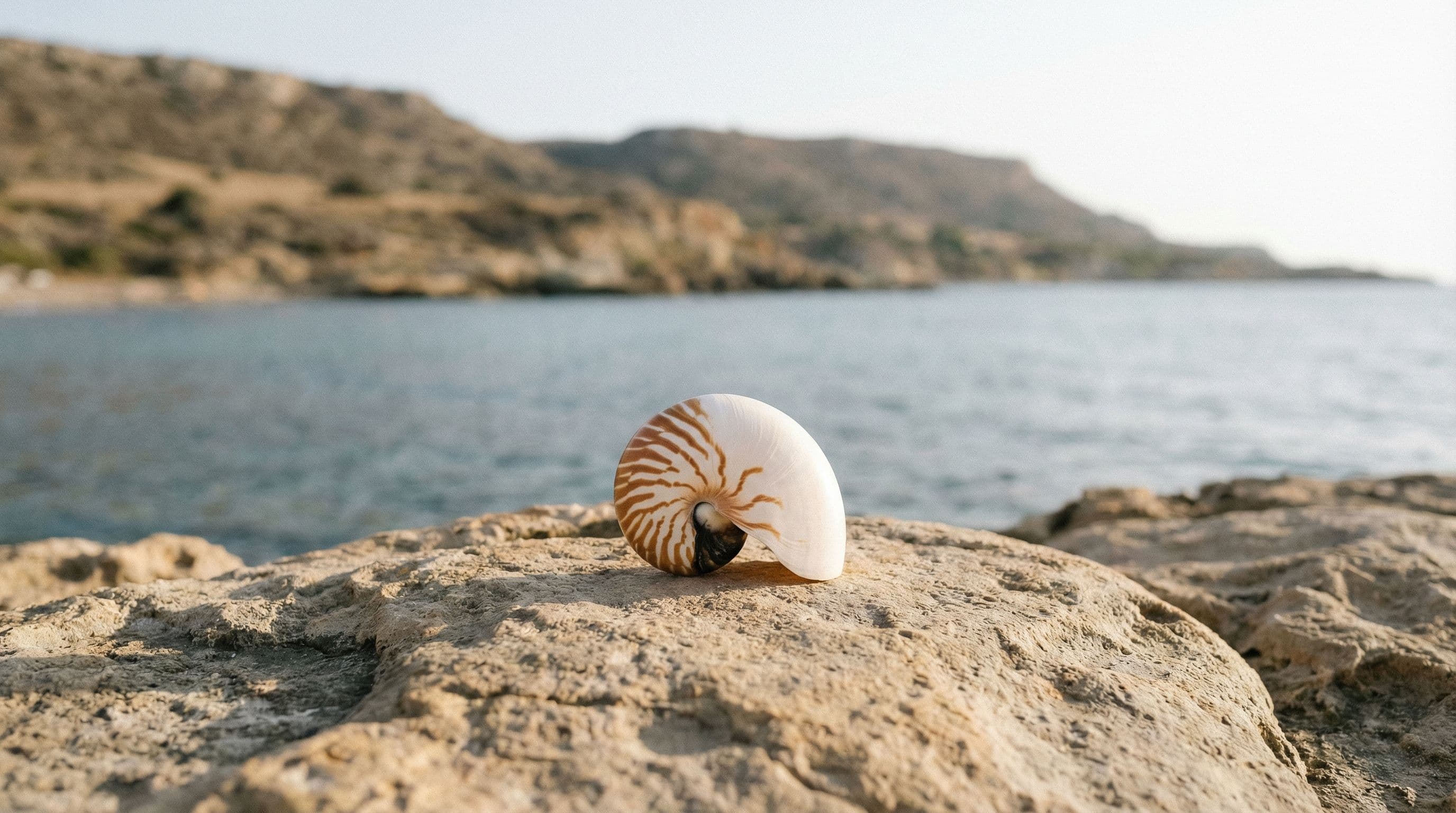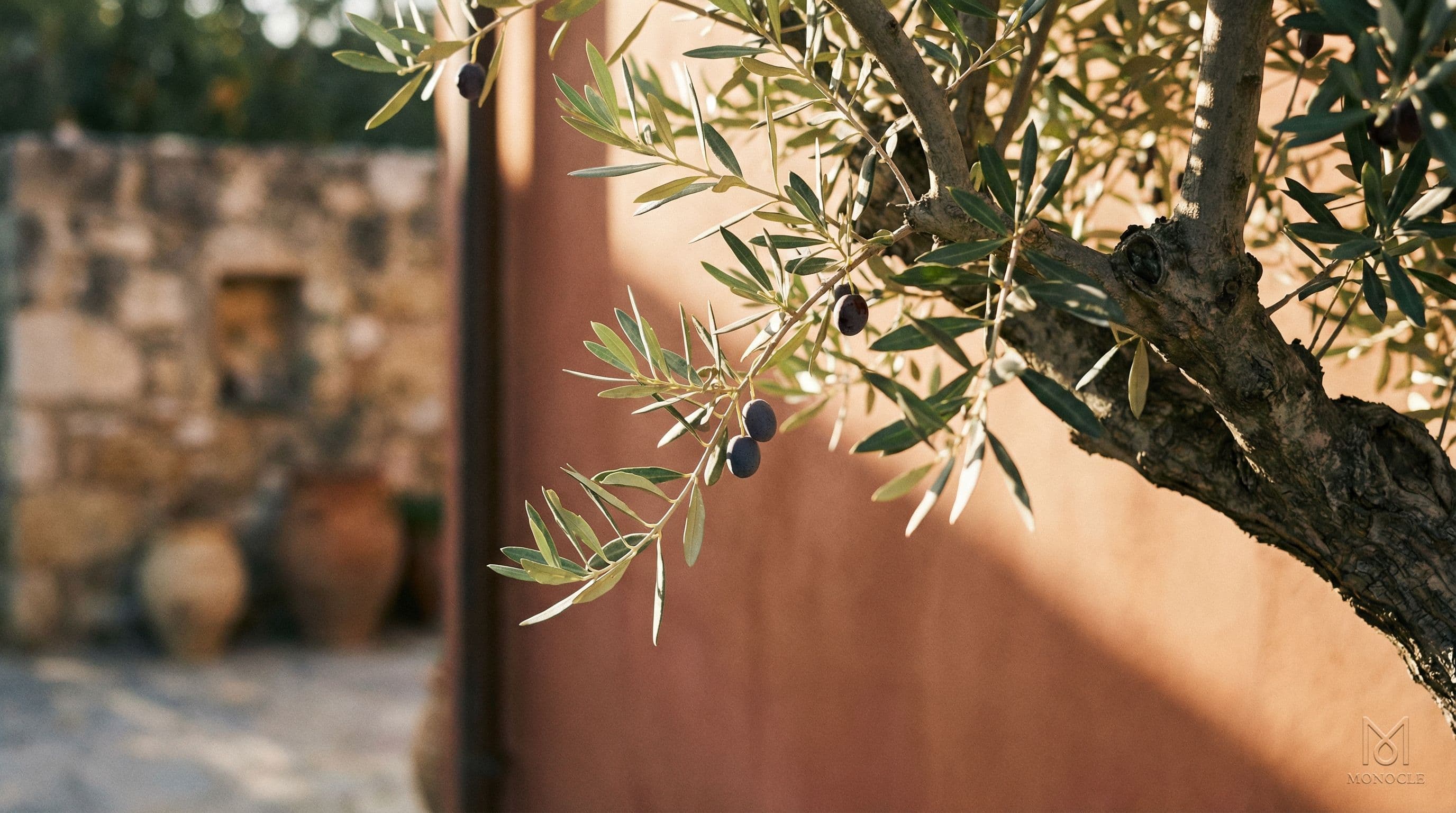
Cyprus is only a small island in the Mediterranean. And yet here you can see sun-flooded green fields, flower-bright promenades, snow on mountain peaks, fragrant cedar forests, and a soft, warm sea — sometimes all in the same week. The weather in Cyprus has thousands of shades and details. It is never just “good” or “bad.” It changes its texture. It rearranges light. Cyprus seasons don’t replace one another abruptly, but overlap, soften, linger. Life on the island moves all year round. Each month carries its own rhythm, its own palette, its own small rituals. When people ask about the best time to visit Cyprus, the most accurate answer is probably: whenever you arrive.
Winter in Cyprus: green hills, clear air, quiet rain
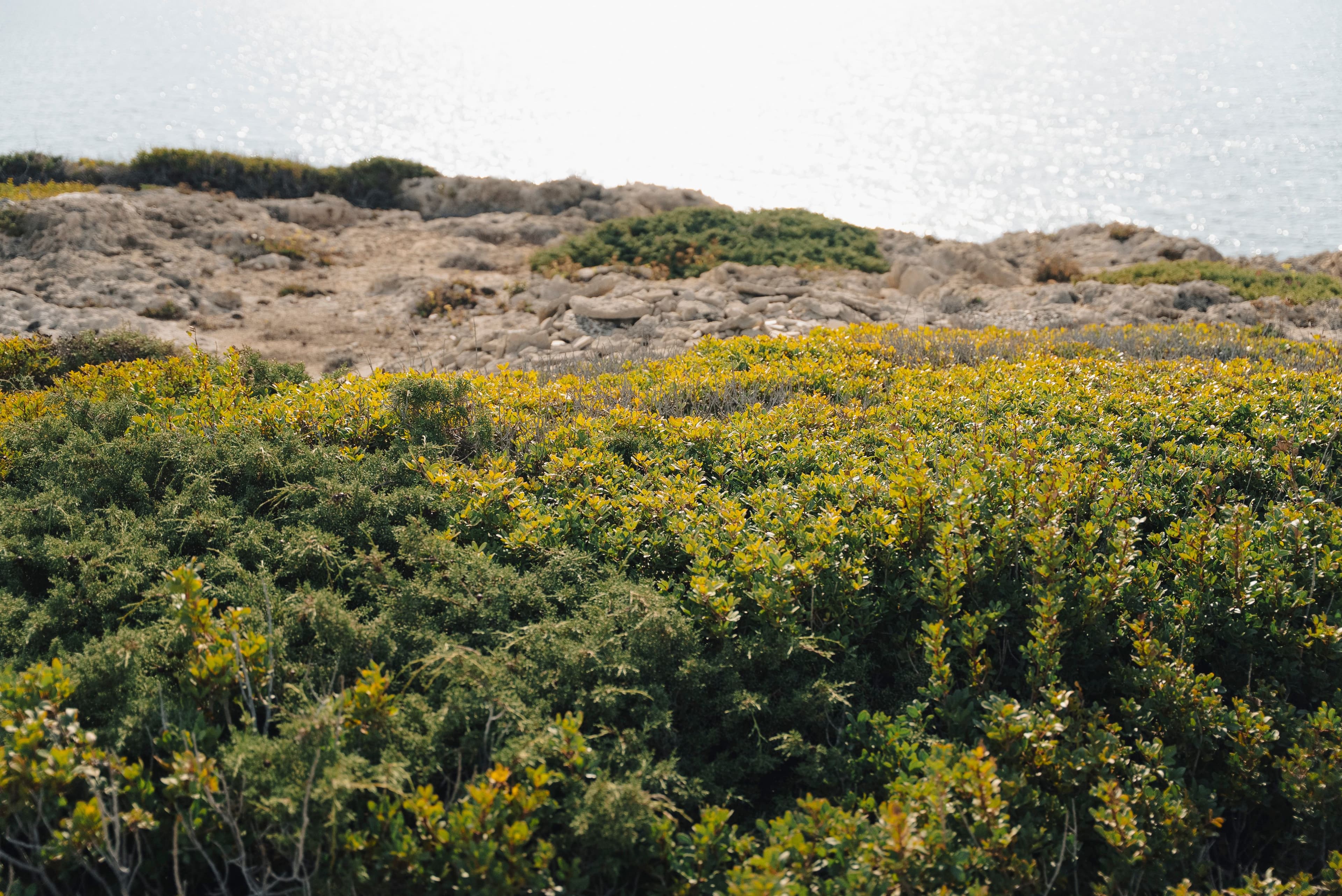
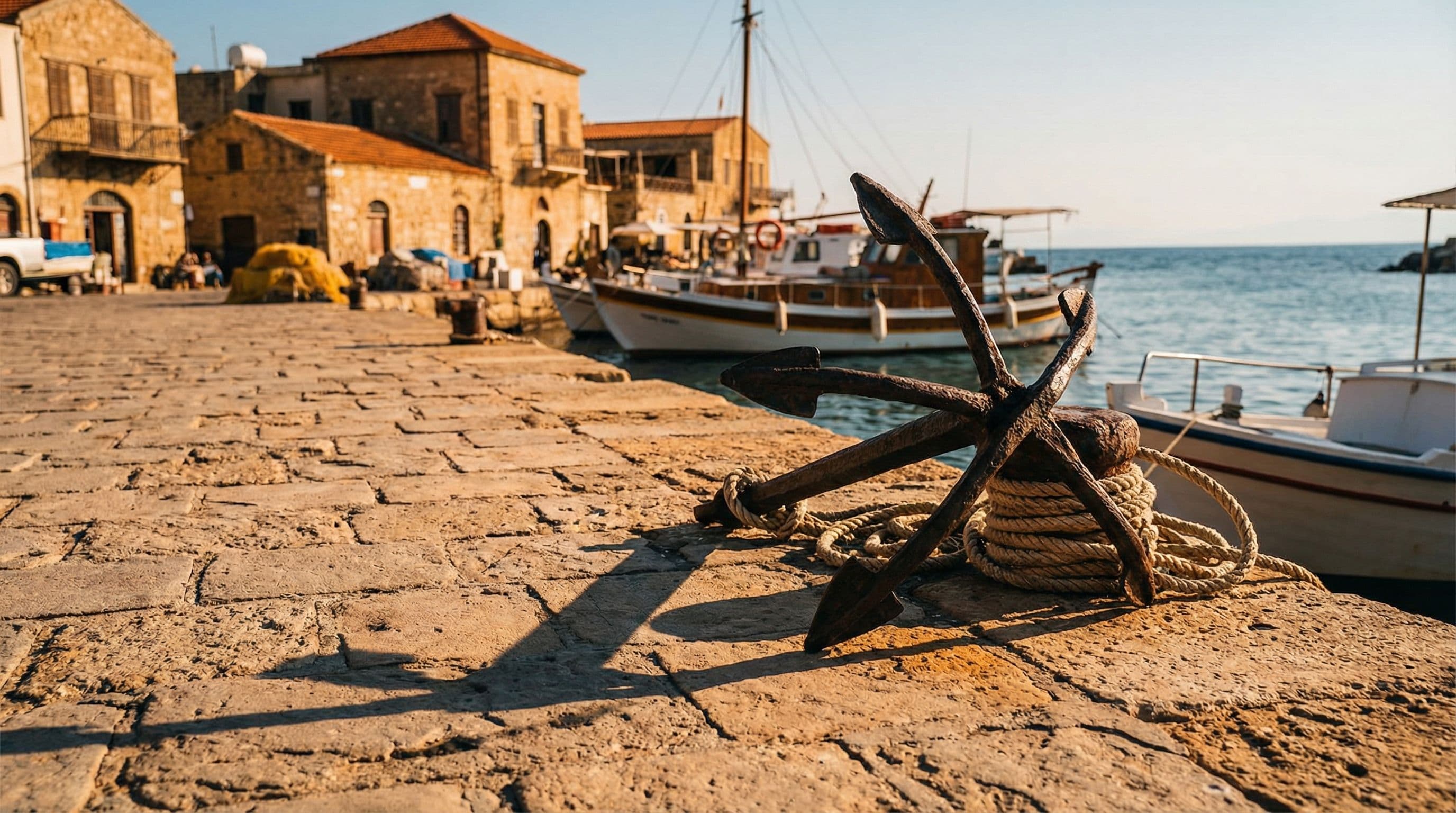
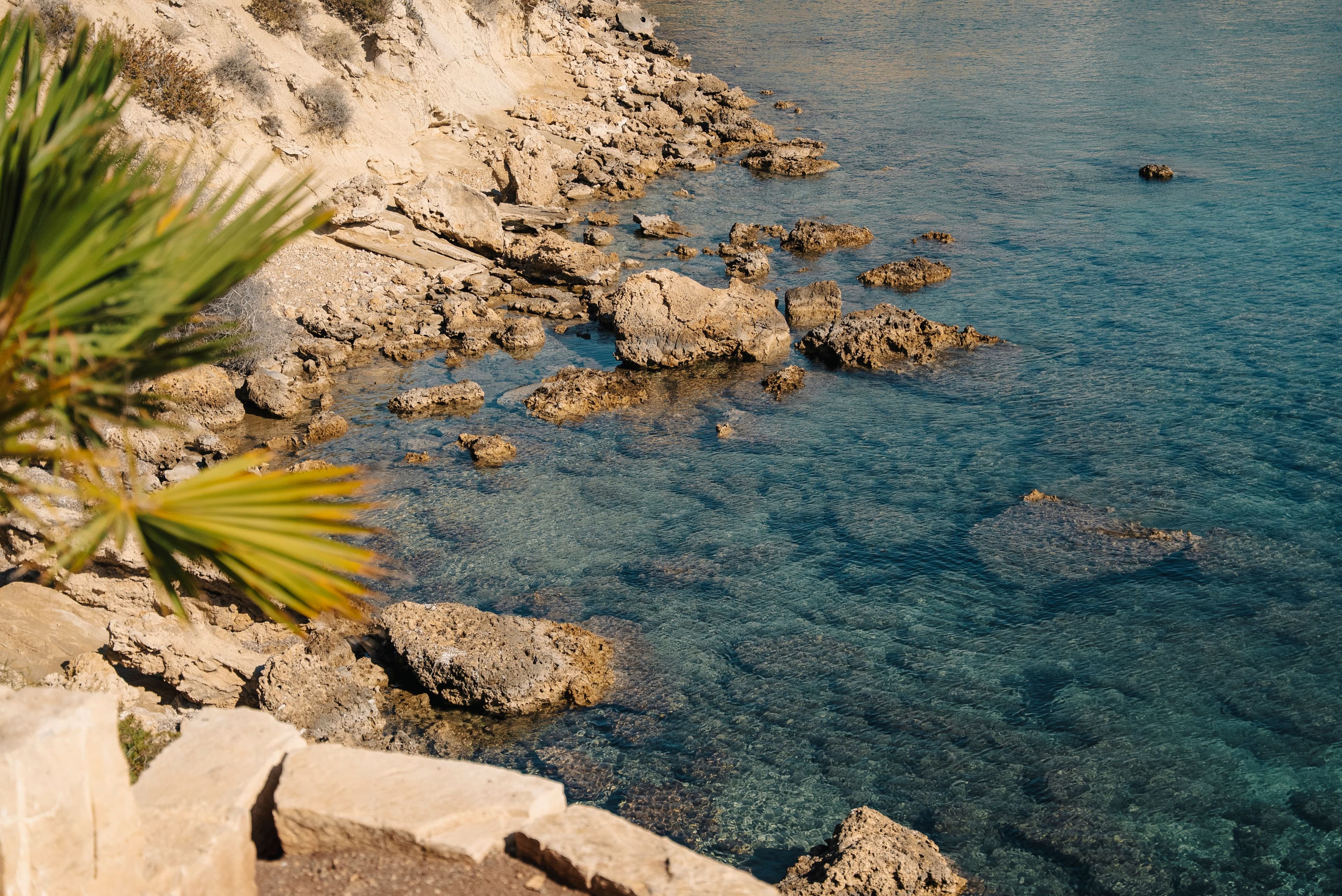
In January, long-awaited rains arrive. They bring extraordinary freshness and clarity to the air, while on the peaks of Troodos they turn into loose snow that sparkles in the sun. Sometimes there is enough of it for the ski slope to open on Mount Olympus. At the same time, along the coast it stays a comfortable 15–17°C. Wind sprays waves across promenades and parts clouds at just the right moment for an unhurried walk.
This is the greenest season in Cyprus. Hills and fields are covered with thick, juicy grass. In gardens, trees bend under mandarins, lemons, and oranges. Market stalls fill with fresh broccoli, cabbage, avocados, and spinach from local gardens.
When almond trees bloom in tender pink, it is February in Cyprus. The coldest month. The cloudiest. Renewing. Full of quiet hope. Everything the soil absorbs now, everything turquoise reservoirs gather, will stay with the island for the year ahead. It is harvest time for water.
Life feels unusually present everywhere: in every green field, in every open anemone, in every sweet berry ripening on strawberry farms. A season of contrasts. Today you sit in the sun with a cup of coffee, down to a T-shirt. Tomorrow you hide from bad weather in cozy galleries and museums, studying local artists, or talking with tavern owners to the sound of rain and firewood cracking in the fireplace.
Spring in Cyprus: wildflowers, warm light, open paths
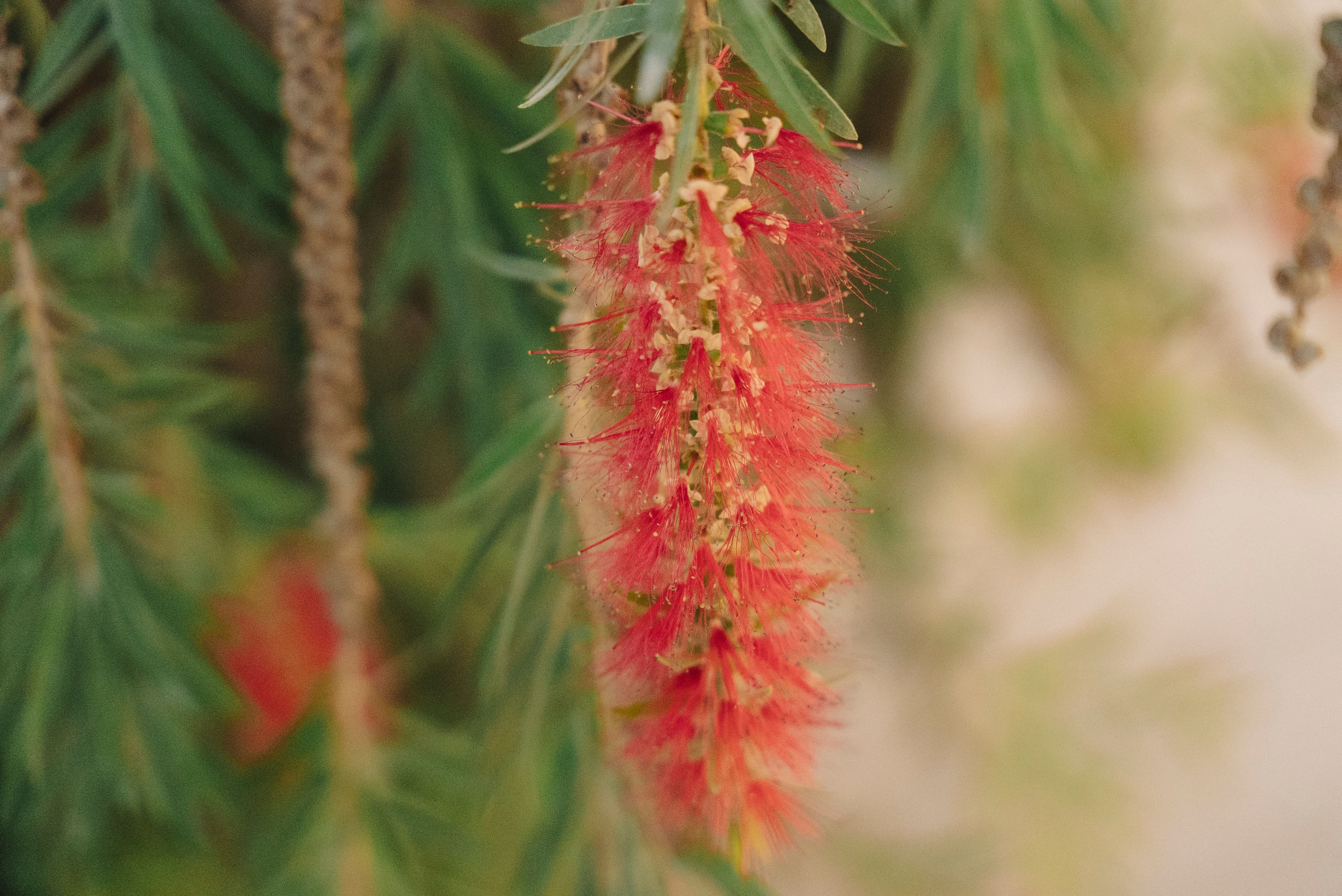
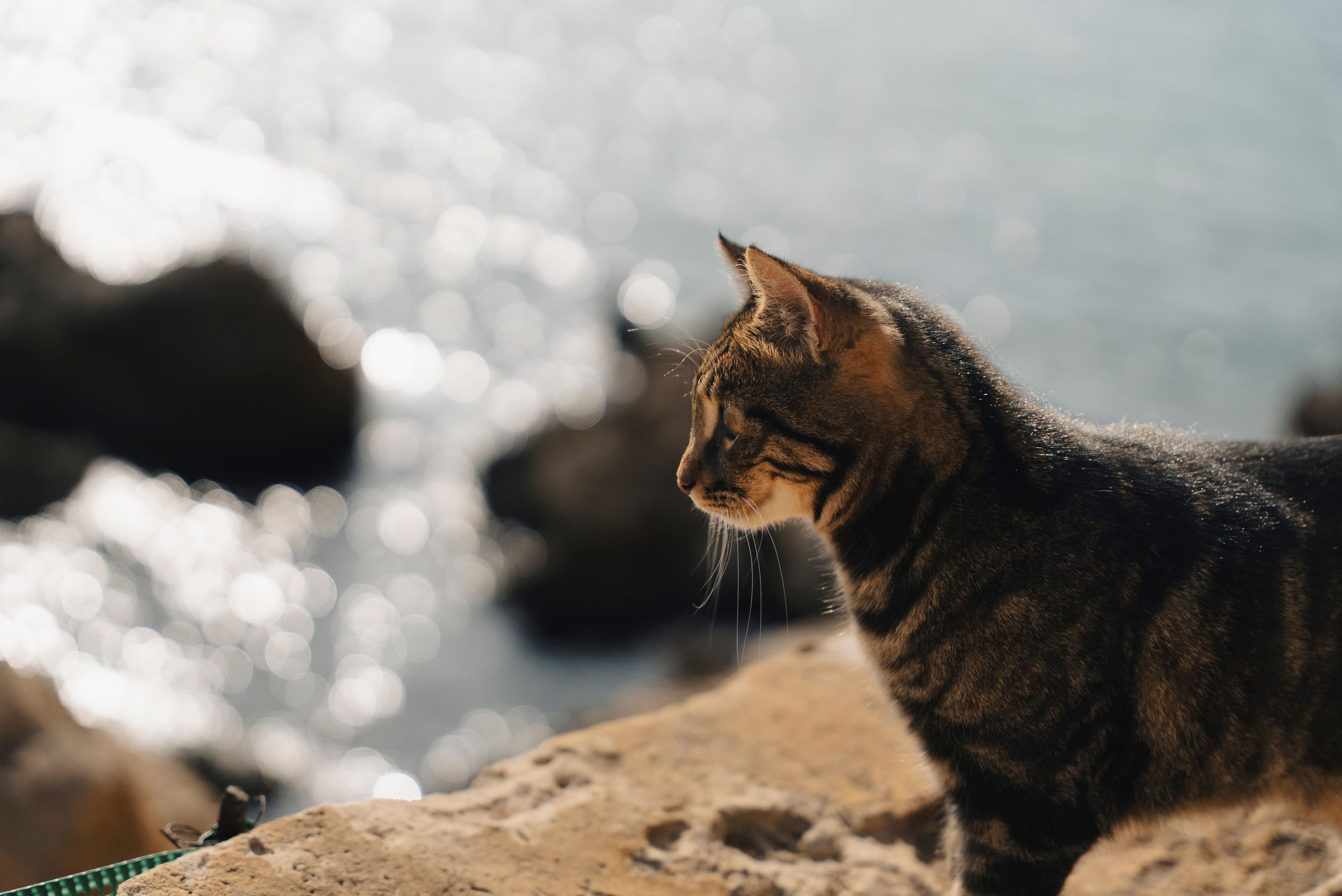
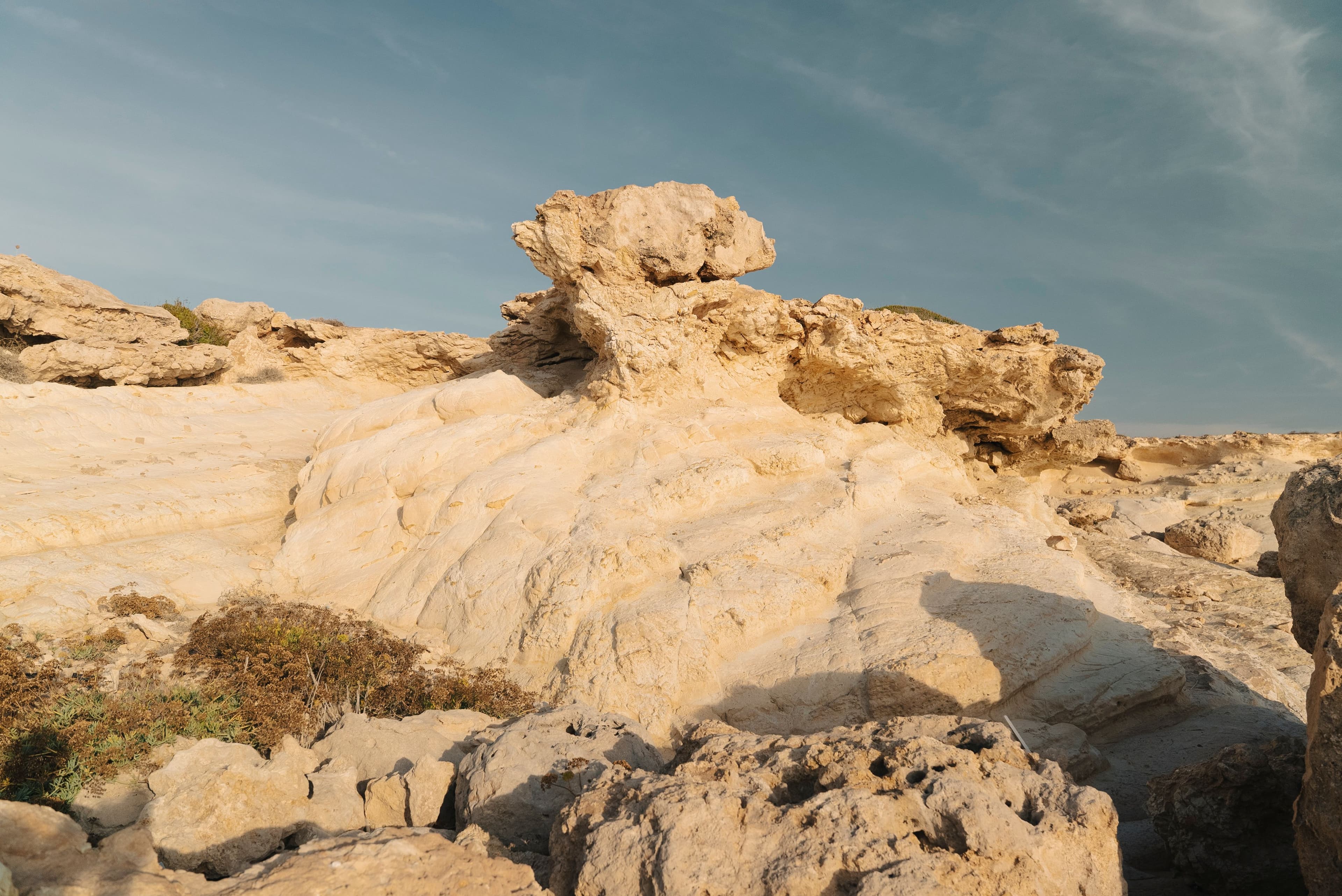
By March, the air warms to around 20°C. It becomes especially comfortable to live outdoors, close to the sea. Long walks along promenades alternate with cycling in the mountains or hiking in Akamas National Park, ready to show everything at once: green hills scattered with wild poppies, delicate cyclamens in tree crevices, blue lagoons, mysterious grottoes, and still dust-free trails among rocks. And if luck is on your side, you might meet the Cypriot mouflon along the way — elusive and proud, a living symbol of the island.
April in Cyprus feels unhurried. Summer bustle has not yet arrived, but wheat fields already glow gold. Measured sunny days give way to fresh, quiet evenings. Jasmine drifts from garden hedges. You fall asleep with windows wide open to the soft rustle of waves and wake to birdsong.
In May, summer begins. Days warm to 26°C, and the sea to a comfortable 20°C. To mark this, nature throws a celebration — jacarandas bloom. Strong, powerful trees covered in bright violet blossoms. Wind carries their fragile petals everywhere, along with their subtle scent.
Summer in Cyprus: long swims, salt on skin, bright nights
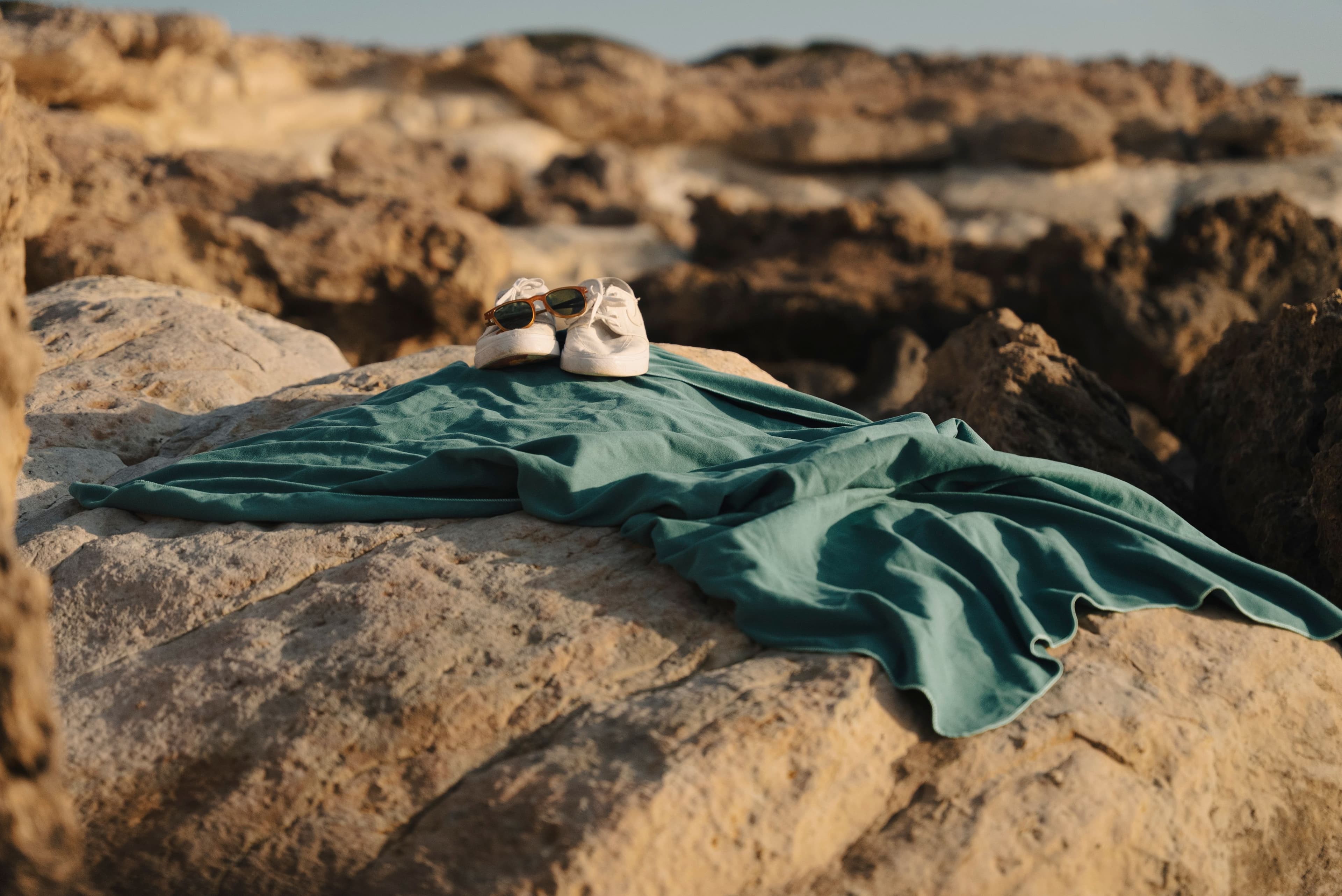
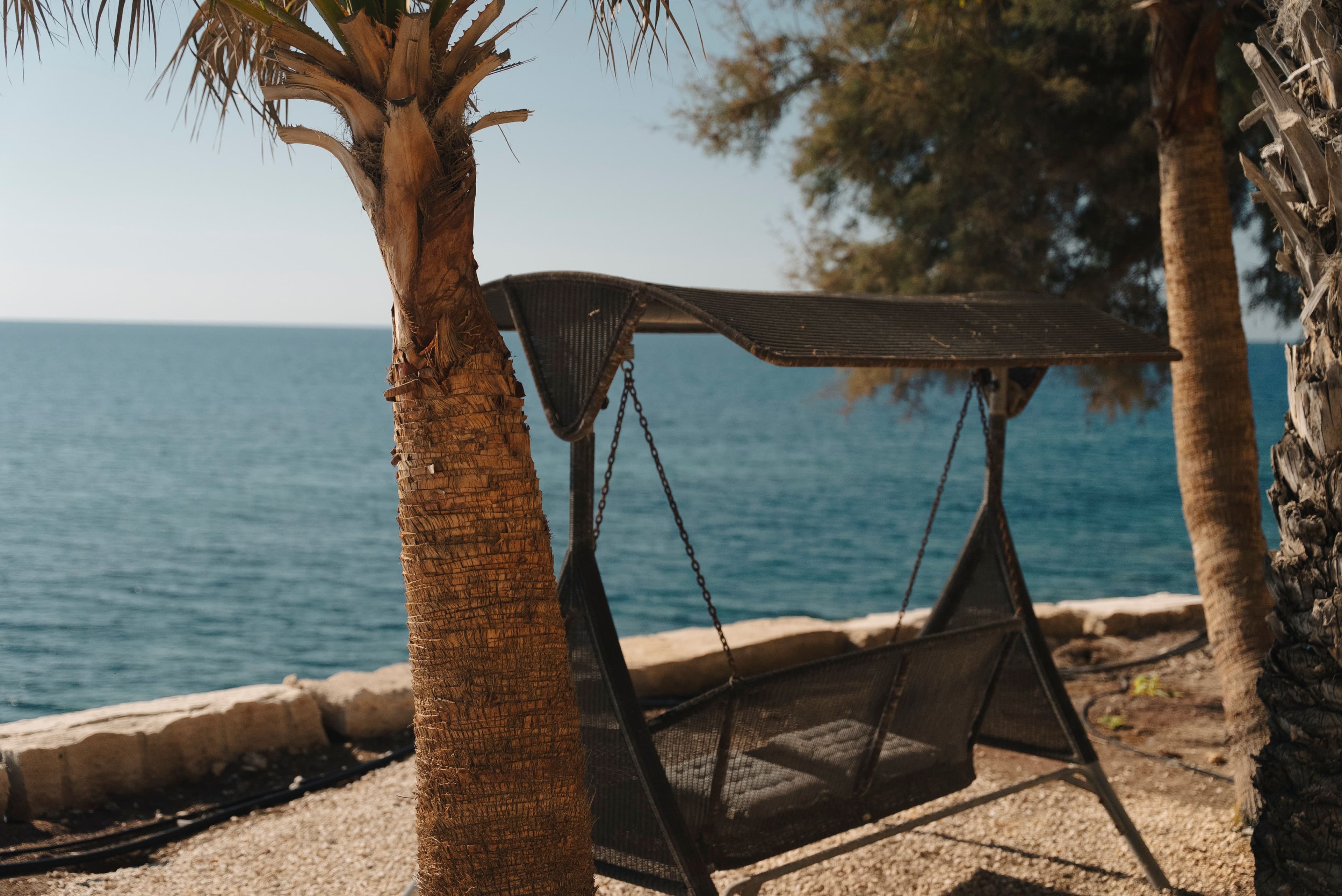
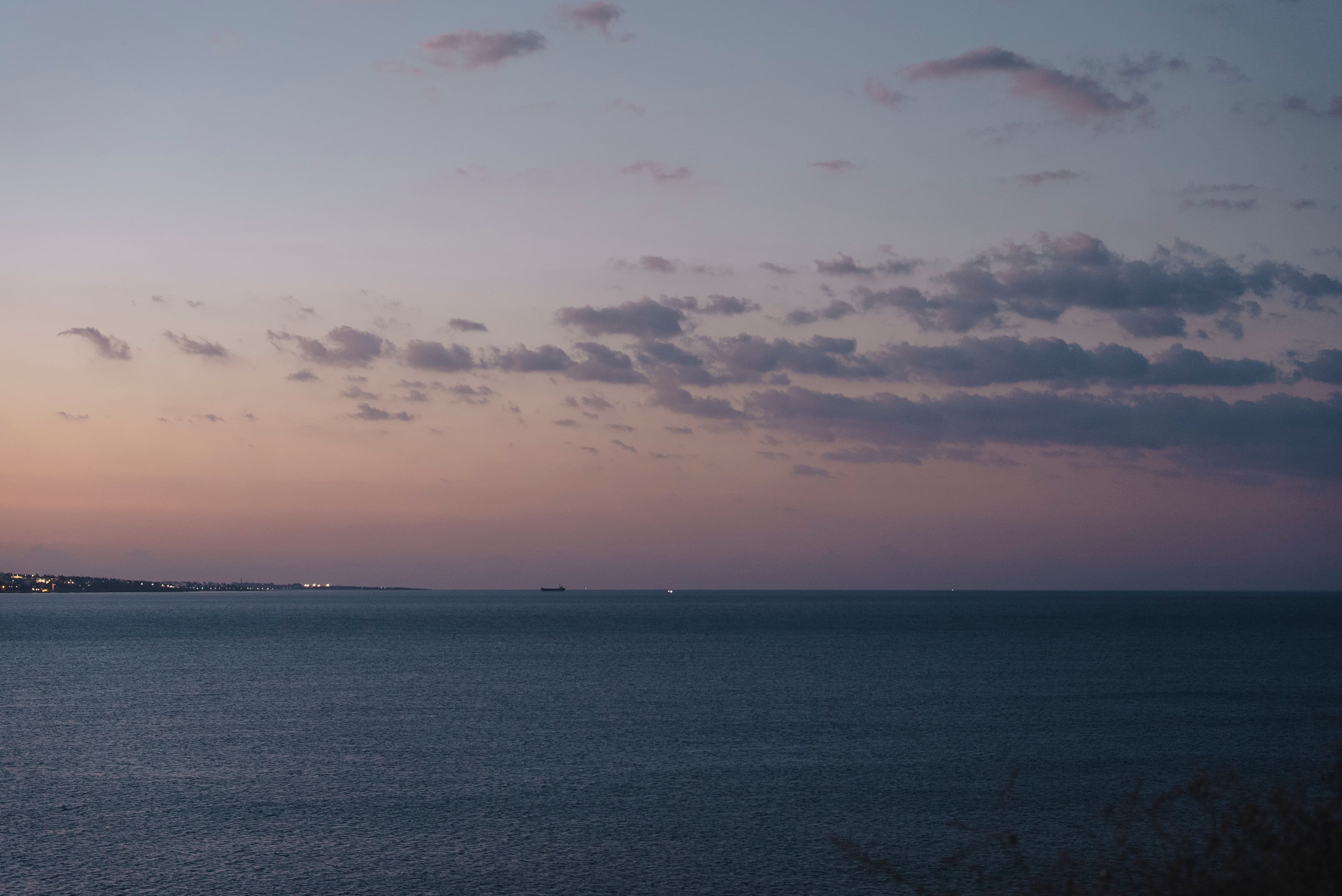
June and July are predictable and steady. Day after day, the sun heats the island to 30°C. Bright red flame trees bloom like signal fires. During the day, life exists only near water: moving between sandy beaches and pebbled ones, wild rocky coves, exploring sea caves, and dazzling lagoons. And once the giant pink-red sphere finally sinks below the horizon, the lively night streets awaken, filled with loud music, dancing, and Mediterranean hospitality.
In August, the heat peaks. Against hot white stones and sun-burned hills, the transparent azure sea and clear cyan sky feel especially sharp. Nature seems frozen, waiting for coolness. Dense hot air barely moves. Only on Lara Beach near Paphos, in pre-dawn silence, you can hear soft rustling: tiny turtles hatch from their eggs and hurry toward the sea.
Autumn in Cyprus: warm sea, soft evenings, returning air
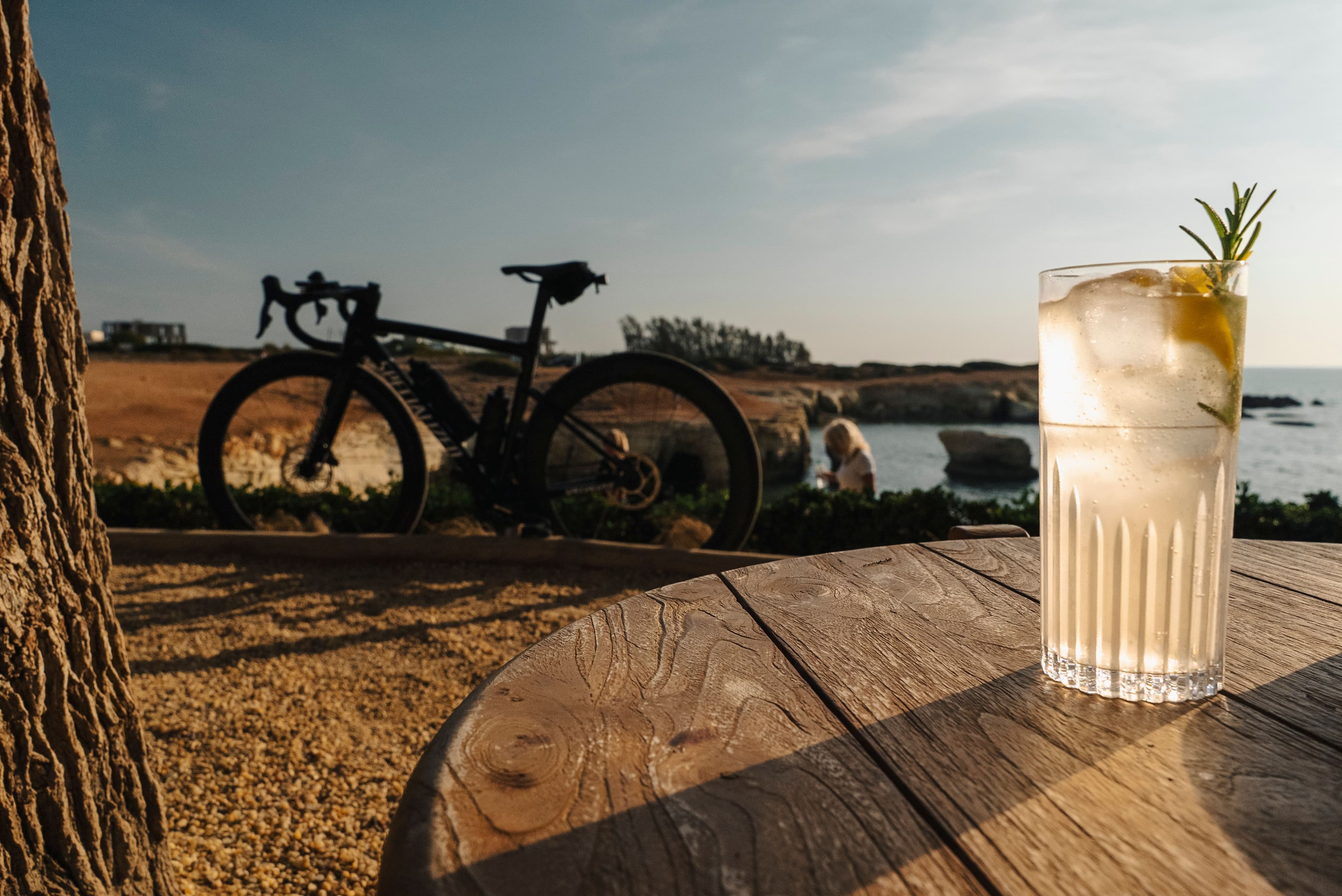
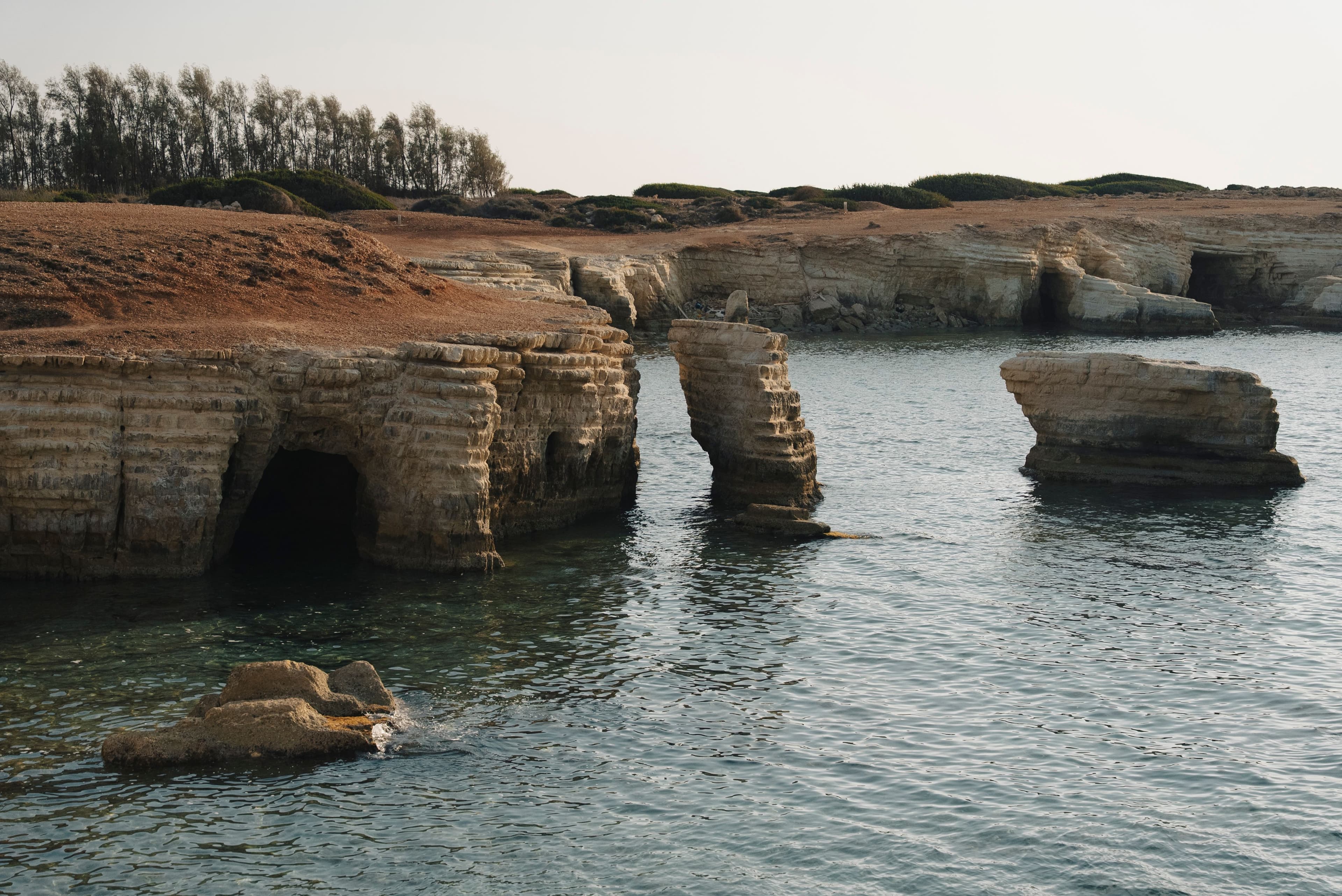
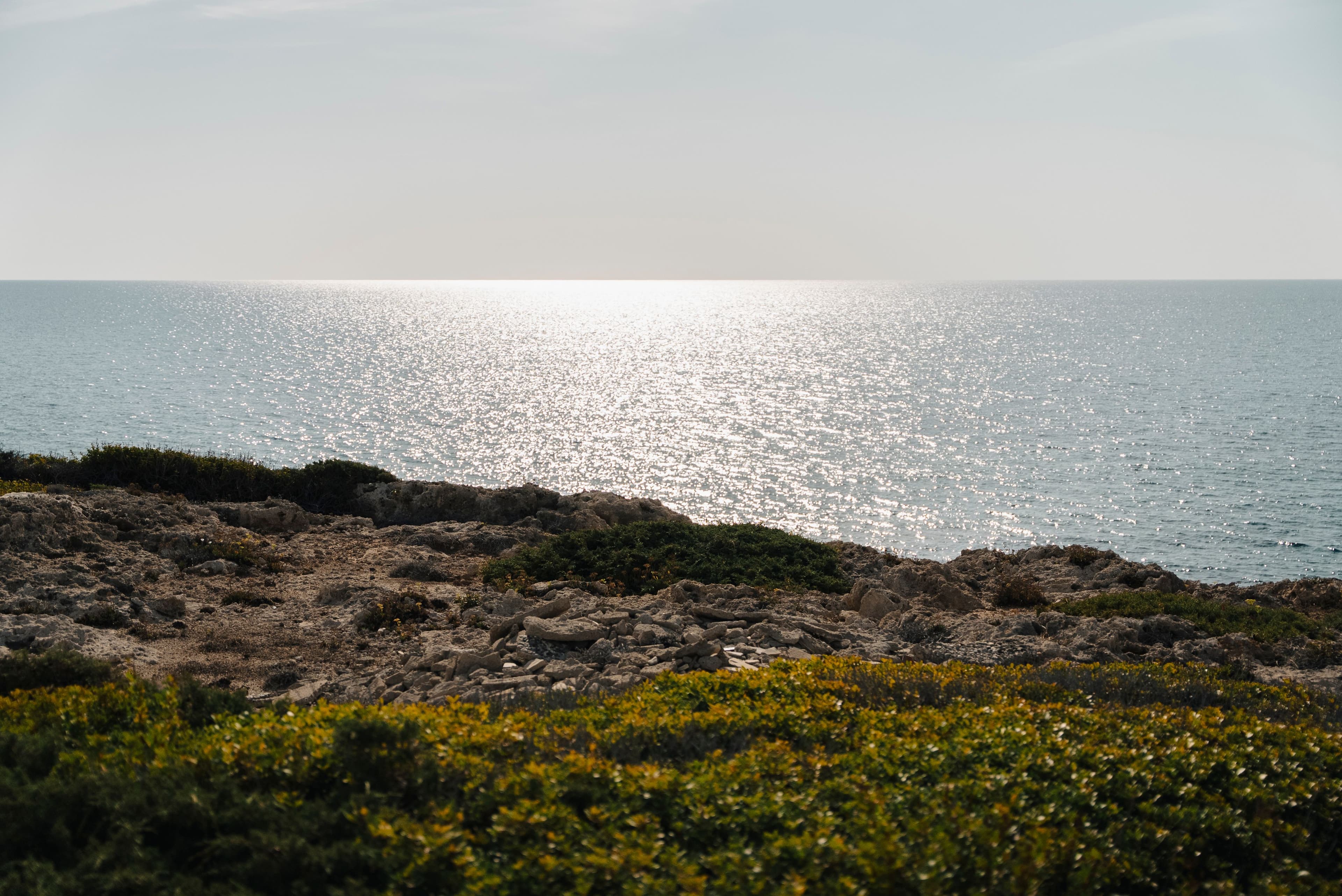
Late September announces itself quietly. You recognize it at dawn, when opening the balcony door suddenly feels different. The air is cooler. Clearer. New. By day, the sun still melts thoughts and burns skin like fired ceramic. But in the evening, the wind gently touches bare shoulders, hinting that soon you might throw something over them. Fruit shops overflow with local mangoes, purple dragon fruit, and perfect papaya. Heat hangs heavy with scent, dusted with fine sand. Sometimes clouds interrupt it. They gather in the mountains and water villages hidden among cedar forests.
October Cyprus is golden-beige, veined with dark greens and browns. Dusty. With flushed sunsets. With skin cracked from drought. Frozen in longing, waiting for rain. Winds arrive from all sides. They brush away the last of the heat and smooth the wrinkles of sandy beaches. The sea, still overheated, smears the horizon with pale haze. During the day, you swim and step out of the water without a single shiver. In the evening — especially in the hills — you wrap yourself in a favorite sweater. Air conditioners fall silent. Windows stay open all night.
By November, the island feels wider. Many leave, sensing the end of beach season, but the water remains warm and will not cool until January. Winds occasionally raise waves for surfing. Market stalls fill with another harvest: figs, avocados, guava, dates.
From mid-December, the island settles around 17°C. Fields and hills are refreshed with lush grass. The air turns transparent after rains. Bitter oranges glow on roadside trees. Streets and houses are loudly preparing for Christmas. City centers feel more alive than ever. Sun-filled outdoor tables fill with relaxed people. Artisan shops open their doors with their best gifts. And in the mountains, Christmas villages appear. You reach them by cedar serpentine roads beneath brooding clouds. You admire golden leaves on trees. Walk narrow streets. Breathe clean autumn air. Rejoice in glowing garlands and street bonfires. And in a giant crêpe with Nutella.
Cyprus teaches a different sense of time. Days stretch. Evenings soften. Mornings arrive quietly. You begin to notice small things — changing light, distant waves, the scent of trees after rain. Cyprus is the kind of place not meant to be just visited, but lived in — even briefly.
Other articles
EXPERIENCE
Best Wine Bars Near Lantana
LIFE, EXPERIENCE, HOTEL
Day Trips from Coral Bay: From Akamas to Blue Lagoon