The sun rises over a Cypriot village, and the smell of fresh bread mingles with sizzling halloumi on a small stove. Cafés open their doors to welcome early visitors with warm coffee, while bakeries display pastries dusted with sugar and filled with sesame, pumpkin, or cheese. Food in Cyprus is more than sustenance — it is history, hospitality, and a daily celebration of local ingredients. Every dish tells a story, from mountain villages to coastal towns, weaving the flavors of the Mediterranean with Levantine warmth.
This guide will take you through the culinary landscape of Cyprus, from iconic local meats like lountza to sweet delights like loukoumades. Along the way, you’ll discover where to taste, how meals are enjoyed, and why food culture on this island is both vibrant and deeply rooted in tradition.
Lountza, Halloumi, and the Island’s Signature Flavours
Lountza is a cured pork delicacy, thinly sliced and often lightly grilled. Its rich, smoky flavor is paired perfectly with fresh halloumi or a slice of tomato and cucumber on warm village bread. These meats reflect the island’s agricultural traditions, where preservation techniques ensured sustenance year-round.
Halloumi, with its firm texture and salty tang, has become synonymous with Cyprus. Traditionally made from a mixture of goat and sheep milk, it is enjoyed at breakfast, lunch, or as a shared appetizer. Even simple grilled halloumi offers a taste of the island’s sunny pastures, mountain breezes, and artisanal heritage.
Tips for tasting these dishes:
- Pair lountza with a glass of local red wine or zivania.
- Try halloumi grilled outdoors — the smoky aroma enhances its flavor.
- Combine cheeses and cured meats with fresh village bread for a classic experience.
Pastries and Breads: Sweet, Savory, and Time-Honored
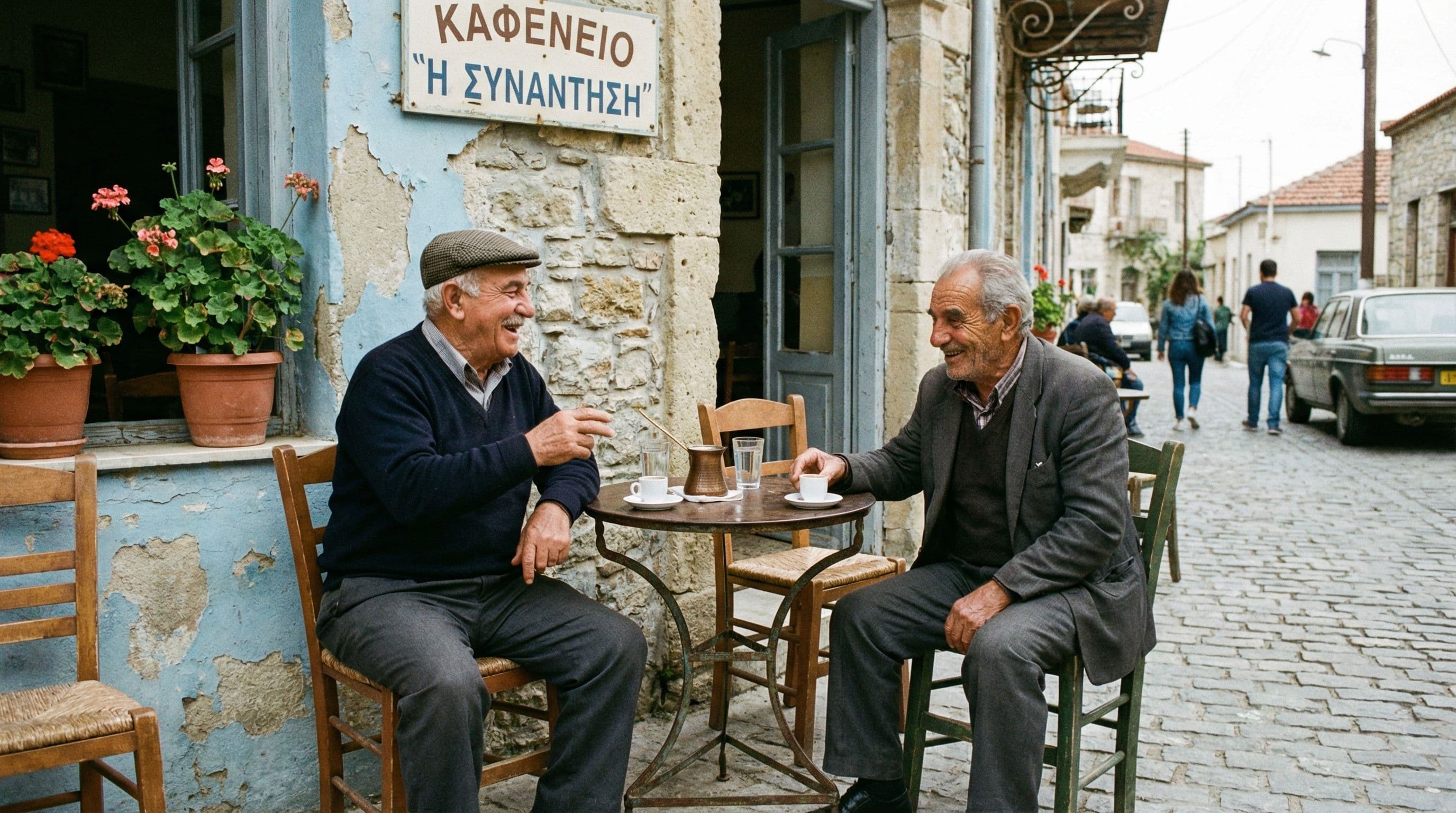
Cypriot bakeries are a morning ritual. Kolokotes, pies filled with pumpkin and bulgur, and tahinopita, swirls of sesame and cinnamon, line shelves alongside simple olive bread. Families buy these pastries daily, often before heading to the morning coffee ritual at their local kafeneio.
These baked goods are both sustenance and story — recipes passed through generations, shaped by seasonal produce, and prepared with care. Even the simplest bread has significance, often served at festivals or offered to guests as a mark of hospitality.
Local pastry tips:
- Try olive-stuffed breads for a savory start to the day.
- Sample kolokotes or tahinopita fresh from the oven.
- Pair pastries with strong Cypriot coffee for an authentic breakfast.
Seafood, Mezze, and Coastal Flavours
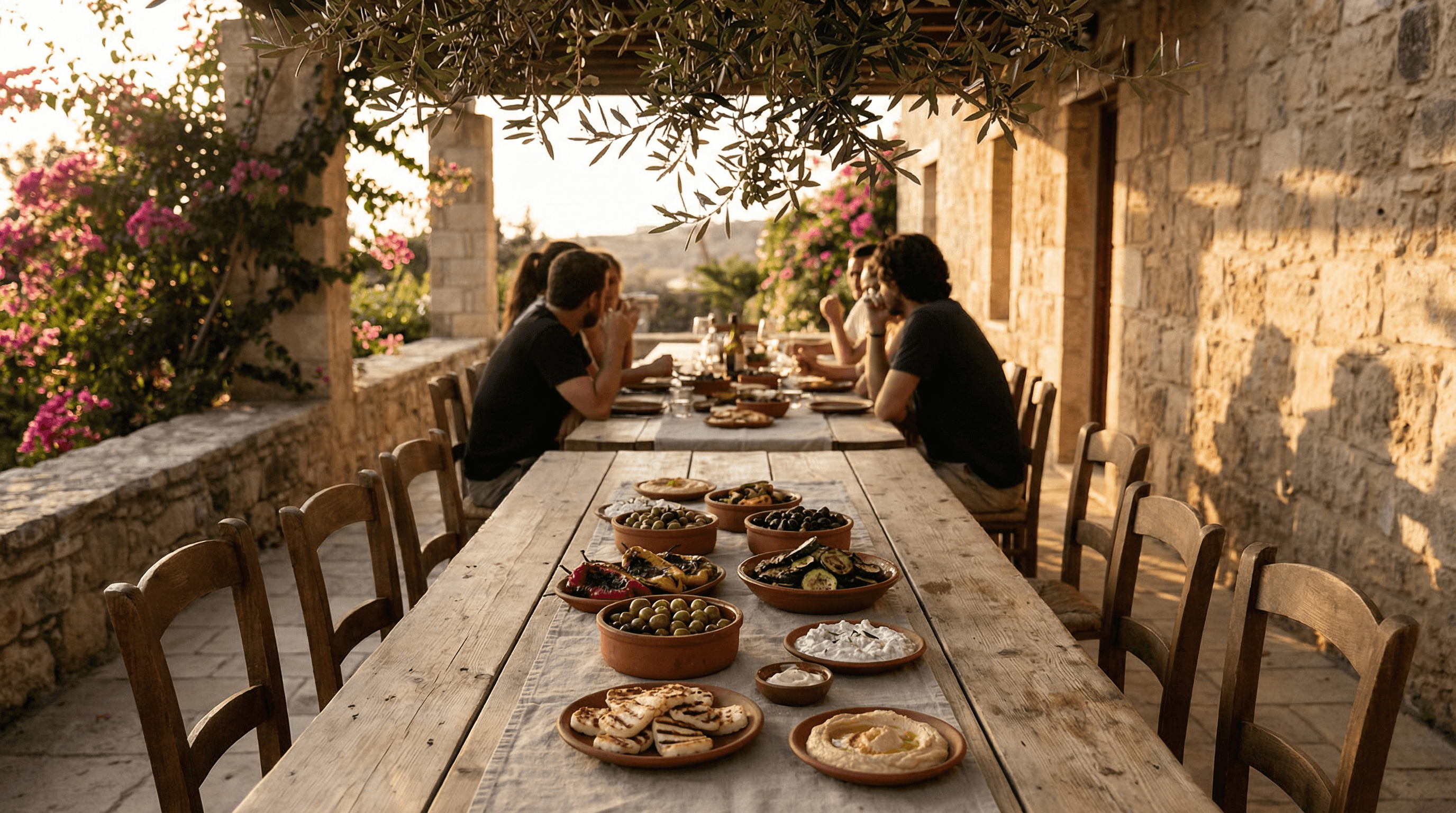
Cyprus’ coastal towns offer fresh seafood prepared simply to let the flavors shine. Grilled octopus, calamari, and fish of the day are often served alongside lemon, olive oil, and local herbs. Mezze — small plates of dips, salads, and grilled vegetables — reflect the communal spirit of Cypriot dining.
Seafood mezze is not just a meal; it is a social experience, meant to be shared with family or friends over long conversations. Olive tapenade, tzatziki, grilled halloumi, and fresh tomatoes complement every dish, creating a table full of colors, textures, and aromas that capture the island’s essence.
Tips for enjoying coastal meals:
- Order a mix of seafood and vegetable mezze to experience local variety.
- Ask for the catch of the day — freshness is key.
- Pair your meal with local white wine or zivania for the full experience.
Sweet Endings: Loukoumades, Soutzoukos, and Honey Treats
No Cypriot food experience is complete without indulging in sweets. Loukoumades, small golden doughnuts drizzled with honey and sprinkled with cinnamon or sesame, are a favorite at festivals and cafés alike. Soutzoukos, grape molasses encasing nuts, reflects the island’s winemaking traditions.
Honey, often produced locally, appears across desserts, from pastries to yogurt. These treats are shared not just at tables, but at celebrations, holidays, and family gatherings. Each bite offers a taste of Cypriot generosity, history, and the Mediterranean sun captured in sweetness.
Tips for enjoying desserts:
- Sample loukoumades fresh; their texture is best warm.
- Try soutzoukos during wine or harvest festivals for authentic local flavor.
- Pair honey-based desserts with herbal teas or strong coffee.
Market Visits: Connecting with Local Ingredients
A trip to a village or city market in Cyprus is an immersive experience. Vendors sell seasonal fruits, vegetables, herbs, and spices alongside cheese, bread, and cured meats. The market is both culinary and cultural: it reflects the island’s agricultural heritage, fosters social interaction, and allows visitors to select the freshest ingredients for home cooking.
Market tips:
- Ask vendors about seasonal specialties — they often have personal recommendations.
- Observe local buying habits; fresh fruit and bread often form the backbone of daily meals.
- Sample products directly from the stall — olives, cheeses, and dried fruits are often available for tasting.
Cypriot cuisine is a celebration of place and tradition. From the smoky richness of lountza to the sweet indulgence of loukoumades, every dish is connected to the island’s land, sea, and history. Eating in Cyprus is not merely about nourishment — it is about participation in a culture that values hospitality, shared meals, and the slow pleasures of life.

The sun rises over a Cypriot village, and the smell of fresh bread mingles with sizzling halloumi on a small stove. Cafés open their doors to welcome early visitors with warm coffee, while bakeries display pastries dusted with sugar and filled with sesame, pumpkin, or cheese. Food in Cyprus is more than sustenance — it is history, hospitality, and a daily celebration of local ingredients. Every dish tells a story, from mountain villages to coastal towns, weaving the flavors of the Mediterranean with Levantine warmth.
This guide will take you through the culinary landscape of Cyprus, from iconic local meats like lountza to sweet delights like loukoumades. Along the way, you’ll discover where to taste, how meals are enjoyed, and why food culture on this island is both vibrant and deeply rooted in tradition.
Lountza, Halloumi, and the Island’s Signature Flavours
Lountza is a cured pork delicacy, thinly sliced and often lightly grilled. Its rich, smoky flavor is paired perfectly with fresh halloumi or a slice of tomato and cucumber on warm village bread. These meats reflect the island’s agricultural traditions, where preservation techniques ensured sustenance year-round.
Halloumi, with its firm texture and salty tang, has become synonymous with Cyprus. Traditionally made from a mixture of goat and sheep milk, it is enjoyed at breakfast, lunch, or as a shared appetizer. Even simple grilled halloumi offers a taste of the island’s sunny pastures, mountain breezes, and artisanal heritage.
Tips for tasting these dishes:
- Pair lountza with a glass of local red wine or zivania.
- Try halloumi grilled outdoors — the smoky aroma enhances its flavor.
- Combine cheeses and cured meats with fresh village bread for a classic experience.
Pastries and Breads: Sweet, Savory, and Time-Honored
Cypriot bakeries are a morning ritual. Kolokotes, pies filled with pumpkin and bulgur, and tahinopita, swirls of sesame and cinnamon, line shelves alongside simple olive bread. Families buy these pastries daily, often before heading to the morning coffee ritual at their local kafeneio.
These baked goods are both sustenance and story — recipes passed through generations, shaped by seasonal produce, and prepared with care. Even the simplest bread has significance, often served at festivals or offered to guests as a mark of hospitality.
Local pastry tips:
- Try olive-stuffed breads for a savory start to the day.
- Sample kolokotes or tahinopita fresh from the oven.
- Pair pastries with strong Cypriot coffee for an authentic breakfast.
Seafood, Mezze, and Coastal Flavours
Cyprus’ coastal towns offer fresh seafood prepared simply to let the flavors shine. Grilled octopus, calamari, and fish of the day are often served alongside lemon, olive oil, and local herbs. Mezze — small plates of dips, salads, and grilled vegetables — reflect the communal spirit of Cypriot dining.
Seafood mezze is not just a meal; it is a social experience, meant to be shared with family or friends over long conversations. Olive tapenade, tzatziki, grilled halloumi, and fresh tomatoes complement every dish, creating a table full of colors, textures, and aromas that capture the island’s essence.
Tips for enjoying coastal meals:
- Order a mix of seafood and vegetable mezze to experience local variety.
- Ask for the catch of the day — freshness is key.
- Pair your meal with local white wine or zivania for the full experience.
Sweet Endings: Loukoumades, Soutzoukos, and Honey Treats
No Cypriot food experience is complete without indulging in sweets. Loukoumades, small golden doughnuts drizzled with honey and sprinkled with cinnamon or sesame, are a favorite at festivals and cafés alike. Soutzoukos, grape molasses encasing nuts, reflects the island’s winemaking traditions.
Honey, often produced locally, appears across desserts, from pastries to yogurt. These treats are shared not just at tables, but at celebrations, holidays, and family gatherings. Each bite offers a taste of Cypriot generosity, history, and the Mediterranean sun captured in sweetness.
Tips for enjoying desserts:
- Sample loukoumades fresh; their texture is best warm.
- Try soutzoukos during wine or harvest festivals for authentic local flavor.
- Pair honey-based desserts with herbal teas or strong coffee.
Market Visits: Connecting with Local Ingredients
A trip to a village or city market in Cyprus is an immersive experience. Vendors sell seasonal fruits, vegetables, herbs, and spices alongside cheese, bread, and cured meats. The market is both culinary and cultural: it reflects the island’s agricultural heritage, fosters social interaction, and allows visitors to select the freshest ingredients for home cooking.
Market tips:
- Ask vendors about seasonal specialties — they often have personal recommendations.
- Observe local buying habits; fresh fruit and bread often form the backbone of daily meals.
- Sample products directly from the stall — olives, cheeses, and dried fruits are often available for tasting.
Cypriot cuisine is a celebration of place and tradition. From the smoky richness of lountza to the sweet indulgence of loukoumades, every dish is connected to the island’s land, sea, and history. Eating in Cyprus is not merely about nourishment — it is about participation in a culture that values hospitality, shared meals, and the slow pleasures of life.
Our villas in Coral Bay sit moments from local markets, traditional cafés, and the coastal restaurants where these flavors come alive, offering an immersive culinary experience at your doorstep.
The sun rises over a Cypriot village, and the smell of fresh bread mingles with sizzling halloumi on a small stove. Cafés open their doors to welcome early visitors with warm coffee, while bakeries display pastries dusted with sugar and filled with sesame, pumpkin, or cheese. Food in Cyprus is more than sustenance — it is history, hospitality, and a daily celebration of local ingredients. Every dish tells a story, from mountain villages to coastal towns, weaving the flavors of the Mediterranean with Levantine warmth.
This guide will take you through the culinary landscape of Cyprus, from iconic local meats like lountza to sweet delights like loukoumades. Along the way, you’ll discover where to taste, how meals are enjoyed, and why food culture on this island is both vibrant and deeply rooted in tradition.
Lountza, Halloumi, and the Island’s Signature Flavours
Lountza is a cured pork delicacy, thinly sliced and often lightly grilled. Its rich, smoky flavor is paired perfectly with fresh halloumi or a slice of tomato and cucumber on warm village bread. These meats reflect the island’s agricultural traditions, where preservation techniques ensured sustenance year-round.
Halloumi, with its firm texture and salty tang, has become synonymous with Cyprus. Traditionally made from a mixture of goat and sheep milk, it is enjoyed at breakfast, lunch, or as a shared appetizer. Even simple grilled halloumi offers a taste of the island’s sunny pastures, mountain breezes, and artisanal heritage.
Tips for tasting these dishes:
- Pair lountza with a glass of local red wine or zivania.
- Try halloumi grilled outdoors — the smoky aroma enhances its flavor.
- Combine cheeses and cured meats with fresh village bread for a classic experience.
Pastries and Breads: Sweet, Savory, and Time-Honored
Cypriot bakeries are a morning ritual. Kolokotes, pies filled with pumpkin and bulgur, and tahinopita, swirls of sesame and cinnamon, line shelves alongside simple olive bread. Families buy these pastries daily, often before heading to the morning coffee ritual at their local kafeneio.
These baked goods are both sustenance and story — recipes passed through generations, shaped by seasonal produce, and prepared with care. Even the simplest bread has significance, often served at festivals or offered to guests as a mark of hospitality.
Local pastry tips:
- Try olive-stuffed breads for a savory start to the day.
- Sample kolokotes or tahinopita fresh from the oven.
- Pair pastries with strong Cypriot coffee for an authentic breakfast.
Seafood, Mezze, and Coastal Flavours
Cyprus’ coastal towns offer fresh seafood prepared simply to let the flavors shine. Grilled octopus, calamari, and fish of the day are often served alongside lemon, olive oil, and local herbs. Mezze — small plates of dips, salads, and grilled vegetables — reflect the communal spirit of Cypriot dining.
Seafood mezze is not just a meal; it is a social experience, meant to be shared with family or friends over long conversations. Olive tapenade, tzatziki, grilled halloumi, and fresh tomatoes complement every dish, creating a table full of colors, textures, and aromas that capture the island’s essence.
Tips for enjoying coastal meals:
- Order a mix of seafood and vegetable mezze to experience local variety.
- Ask for the catch of the day — freshness is key.
- Pair your meal with local white wine or zivania for the full experience.
Sweet Endings: Loukoumades, Soutzoukos, and Honey Treats
No Cypriot food experience is complete without indulging in sweets. Loukoumades, small golden doughnuts drizzled with honey and sprinkled with cinnamon or sesame, are a favorite at festivals and cafés alike. Soutzoukos, grape molasses encasing nuts, reflects the island’s winemaking traditions.
Honey, often produced locally, appears across desserts, from pastries to yogurt. These treats are shared not just at tables, but at celebrations, holidays, and family gatherings. Each bite offers a taste of Cypriot generosity, history, and the Mediterranean sun captured in sweetness.
Tips for enjoying desserts:
- Sample loukoumades fresh; their texture is best warm.
- Try soutzoukos during wine or harvest festivals for authentic local flavor.
- Pair honey-based desserts with herbal teas or strong coffee.
Market Visits: Connecting with Local Ingredients
A trip to a village or city market in Cyprus is an immersive experience. Vendors sell seasonal fruits, vegetables, herbs, and spices alongside cheese, bread, and cured meats. The market is both culinary and cultural: it reflects the island’s agricultural heritage, fosters social interaction, and allows visitors to select the freshest ingredients for home cooking.
Market tips:
- Ask vendors about seasonal specialties — they often have personal recommendations.
- Observe local buying habits; fresh fruit and bread often form the backbone of daily meals.
- Sample products directly from the stall — olives, cheeses, and dried fruits are often available for tasting.
Cypriot cuisine is a celebration of place and tradition. From the smoky richness of lountza to the sweet indulgence of loukoumades, every dish is connected to the island’s land, sea, and history. Eating in Cyprus is not merely about nourishment — it is about participation in a culture that values hospitality, shared meals, and the slow pleasures of life.
Our villas in Coral Bay sit moments from local markets, traditional cafés, and the coastal restaurants where these flavors come alive, offering an immersive culinary experience at your doorstep.
Our villas in Coral Bay sit moments from local markets, traditional cafés, and the coastal restaurants where these flavors come alive, offering an immersive culinary experience at your doorstep.
Other articles

EXPERIENCE
Best Wine Bars Near Lantana
LIFE, EXPERIENCE, HOTEL
Day Trips from Coral Bay: From Akamas to Blue Lagoon