Cyprus awakens the imagination long before you understand why. It might be the light, so bright and clean that it sharpens colours into something almost unreal. Or the silence of old courtyards, where carved doors, wild jasmine and ancient stone carry the stories of families who lived there generations before. The island’s artistic spirit is not loud or performative; it reveals itself slowly, through textures, landscapes, and the blend of civilizations that once passed through.
This guide brings you into the creative soul of Cyprus — its evolving art scene, the architecture shaped by thousands of years, and a design language that feels unmistakably Mediterranean yet entirely its own. By the end, you’ll see the island not only as a destination, but as an open-air gallery where tradition and innovation meet.
Layers of Time: The Architectural Story of Cyprus
Architecture in Cyprus is a quiet dialogue between centuries. Walk through any town and you’ll feel it immediately: ancient foundations beside Venetian arches, Byzantine domes next to British colonial balconies, and modern cubes in pale stone that seem to float in the sunlight.
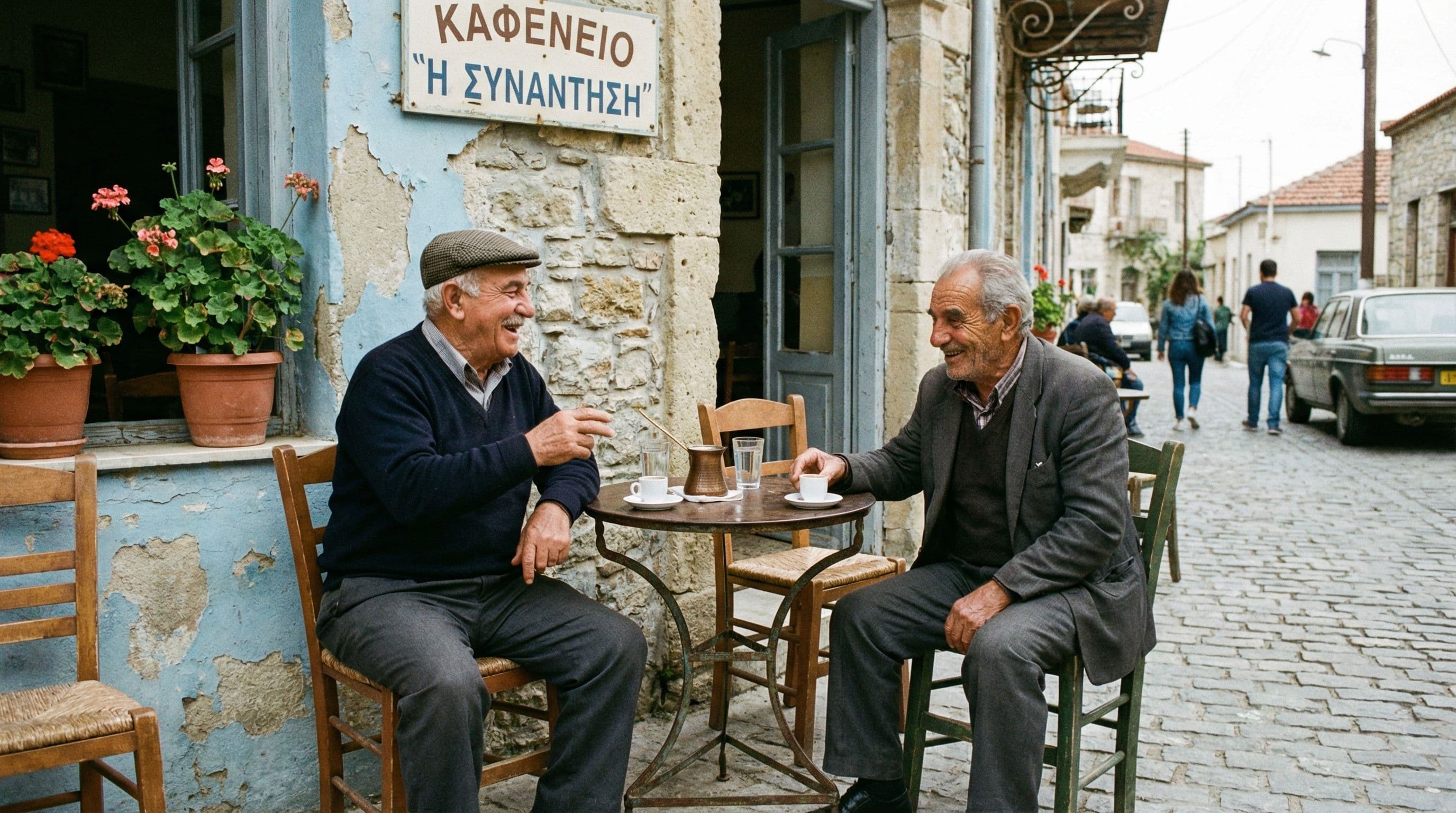
In the old quarters of Nicosia and Limassol, narrow lanes reveal houses with wooden shutters, hand-forged gates and flowing bougainvillea. These were once merchant homes, shaped by Ottoman influences — airy courtyards, shaded rooms, and intricate tilework designed for both beauty and practicality. Move further into the mountains, and stone villages like Omodos or Kakopetria preserve a different architectural rhythm: terracotta roofs, cobbled paths and structures built with local river stone, each designed to remain cool in summer and warm in winter.
Contemporary architecture is now redefining the island’s skyline. Clean lines, sandstone palettes, and wide glass panels echo the surrounding landscape rather than compete with it. Many new cultural spaces blend ancient motifs with modern geometry, creating an architectural identity that feels fresh yet deeply rooted.
Places to witness these layers:
- The Venetian walls of Nicosia, forming a star-shaped fortification unlike anywhere else in the Mediterranean.
- Mountain monasteries like Kykkos, where gold interiors and frescoed ceilings contrast with pine forests outside.
- Limassol’s modern marina and cultural district, showcasing contemporary coastal architecture infused with Cypriot materials.
The Modern Mediterranean Aesthetic: Design With Light, Texture and Memory
Cypriot design is inseparable from its landscape. Light is a primary element — it fills spaces, softens forms, and turns simple materials into something sculptural. Designers often work with natural stone, untreated wood, woven textiles and clay, letting imperfections tell their own stories.
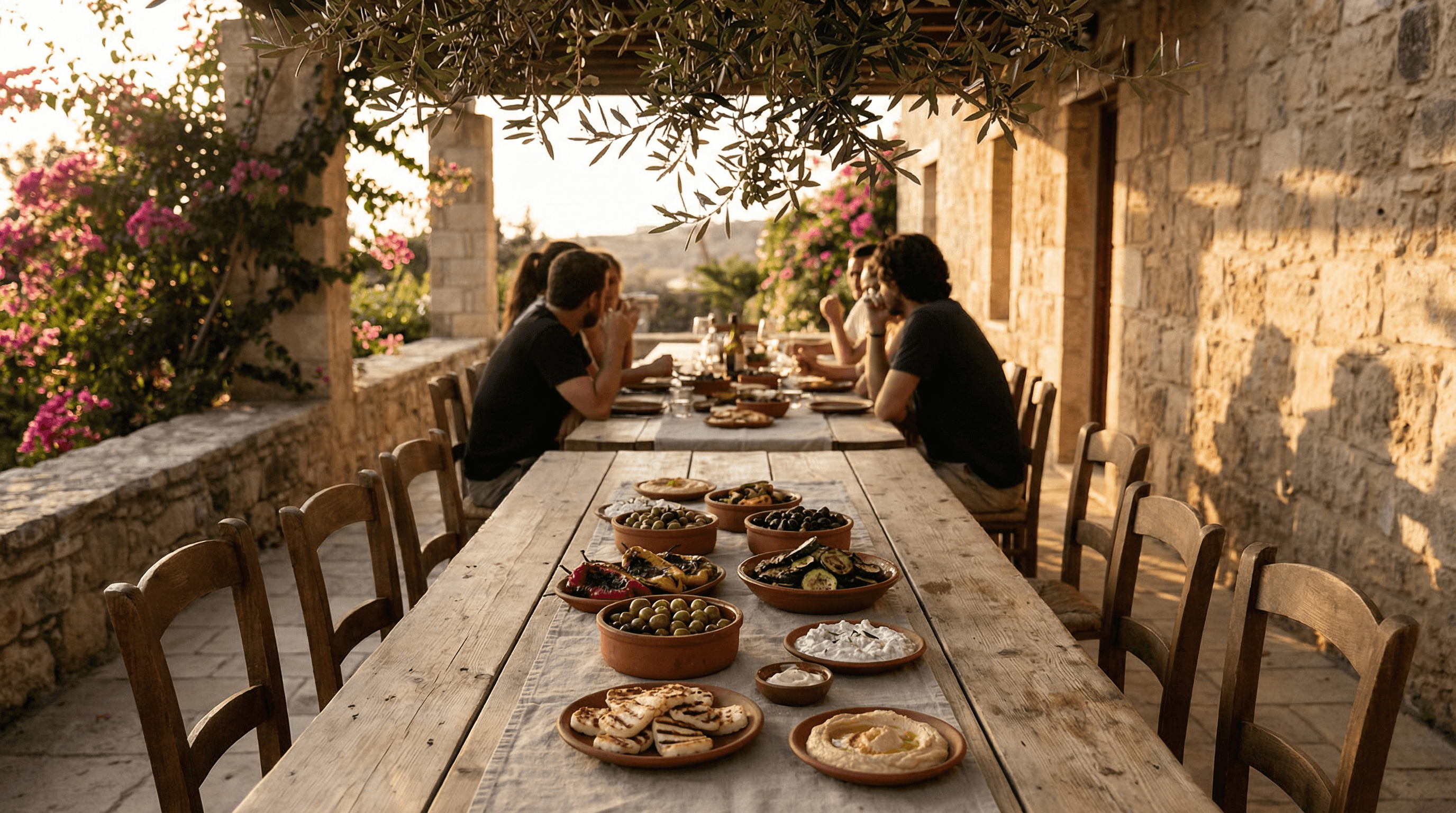
This aesthetic is not merely decorative; it reflects Cypriot lifestyle. Homes are built around social spaces: open courtyards, long tables meant for shared meals, terraces designed for lingering in the evening breeze. Even modern interiors retain this sense of openness and connection. Minimalism is present, but never cold — warmth comes from earth tones, handcrafted ceramics, and the quiet presence of nature.
In recent years, local artisans have reinterpreted traditional crafts for a contemporary audience. Lefkara lace appears in modern textiles. Potters create sculptural pieces inspired by ancient amphorae. Designers experiment with copper, glass and local woods to produce objects that feel both new and deeply Cypriot.
Elements that define the island’s design language:
- Natural stone, particularly in pale creams and soft greys.
- Handwoven fabrics and lace used sparingly, as accents.
- Pottery shaped with ancient silhouettes but modern finishes.
- Indoor-outdoor living, with spaces flowing gently into one another.
This style speaks to the island’s dual identity: grounded in history, yet quietly modern.
The Artistic Spirit: Galleries, Studios and the New Cypriot Creatives
Cyprus has always been a place of craftsmen, but the last decade has brought a wave of new artists who reinterpret the island’s stories through contemporary media. Sculptors, painters, photographers and installation artists experiment with themes of memory, migration, landscape and identity — themes that resonate deeply in a place shaped by crossroads.
Nicosia’s old town has become the creative heart of this movement. Converted warehouses now house galleries, ateliers and artist residencies. Murals appear on stone walls, creating vibrant street art that contrasts with the historic surroundings. Limassol, with its seafront energy, nurtures a younger generation of designers and digital artists working across disciplines.
Cypriot art often plays with contrasts: fragility and strength, permanence and impermanence, the harmony and tension between cultures. You’ll notice recurring motifs — pomegranates, olive branches, sea forms, traditional textiles, and fragments of old buildings. Artists use them not to evoke nostalgia, but to explore how heritage shapes modern identity.
Where to experience contemporary Cypriot art:
- Private galleries in Nicosia’s walled city, showcasing emerging and established artists.
- Cultural centres in Limassol featuring photography, sculpture and experimental installations.
- Artisan shops in villages like Fikardou and Lefkara, where craftsmen work with techniques passed down for centuries.
Whether you prefer avant-garde works or quiet handmade pieces, Cyprus offers art that feels sincere, grounded and deeply place-specific.
A Living Canvas: The Island as Inspiration
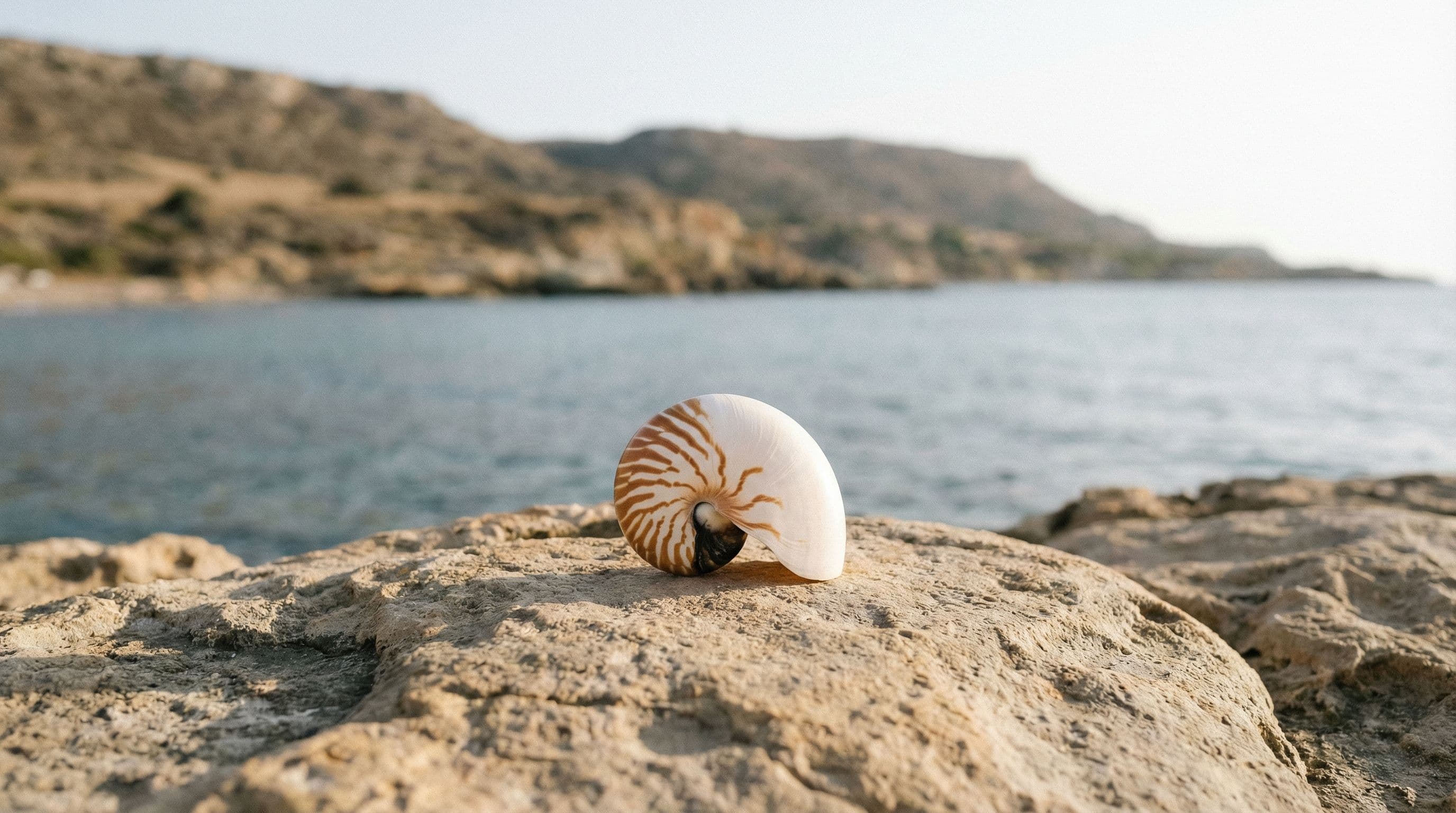
What makes Cyprus such a fertile ground for creativity is not only its history but the sensory experience it provides. Landscapes shift dramatically within an hour’s drive: wild cliffs, soft beaches, pine forests, citrus valleys, and ancient ruins glowing at sunset. This diversity gives artists and architects a palette that changes with every season and every angle of light.
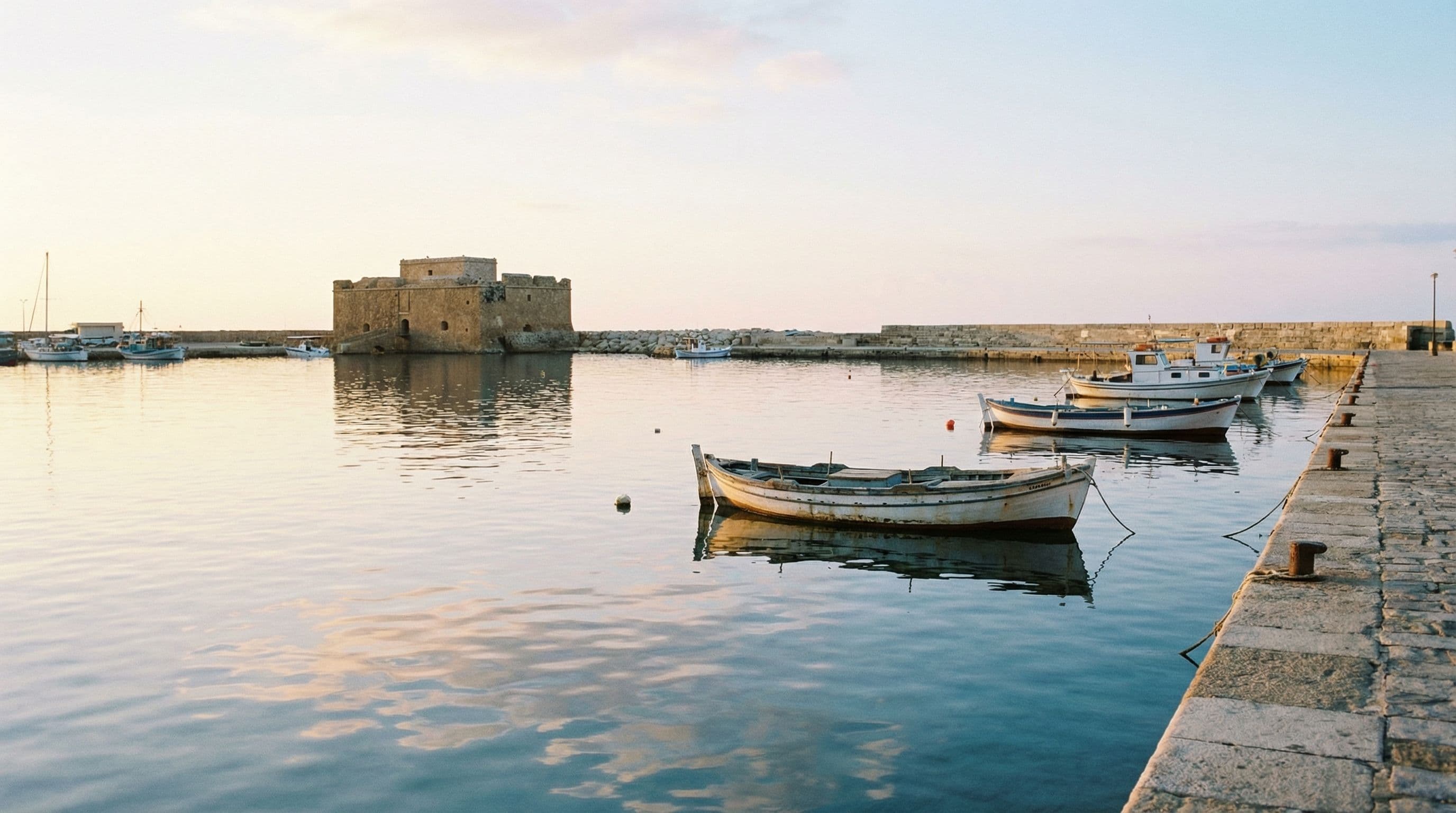
Even the simplest scenes feel cinematic — fishing boats painted in faded blues, ceramic jars lined along a courtyard wall, a mountain village enveloped in mist. The Mediterranean quietness amplifies details: the grain of weathered wood, the movement of shadows on stone, the shimmer of olive leaves in the wind.
For many creatives, Cyprus becomes both muse and memory. Their work mirrors the island’s contradictions: rugged yet delicate, ancient yet young, peaceful yet full of stories. Visitors who pay attention to these details often leave with a deeper appreciation for the island’s artistic pulse.
Ways to immerse yourself in this living canvas:
- Wander through old village streets at sunrise or dusk for the best natural light.
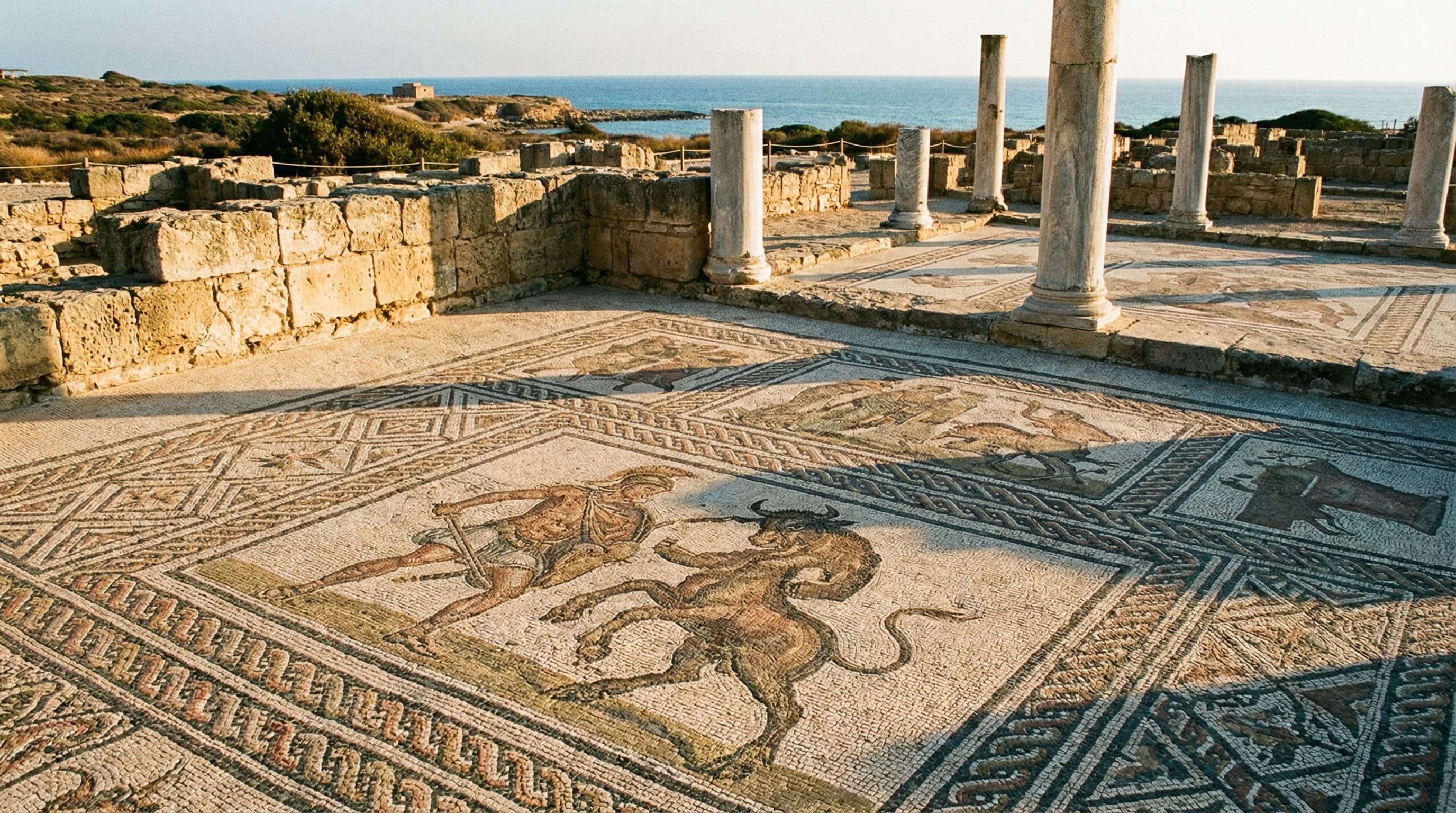
- Visit archaeological sites such as Kourion or Paphos mosaics to see ancient geometry and colour design.
- Explore coastal trails where rock formations, sea colours and vegetation create shifting natural compositions.
Cyprus is a place where every stone, every shadow and every doorway carries a quiet artistic intention. The island’s creative spirit is not confined to galleries or museums; it exists in the rhythm of its villages, the warmth of its materials and the harmony between architecture and nature. To understand Cyprus through its art, architecture and design is to sense how past and present coexist in a subtle, elegant balance.
When you return to the coast, this feeling remains — a renewed way of seeing light, texture and form. Our villas in Coral Bay sit moments from this view, offering spaces shaped by the same Mediterranean sensibility that gives the island its unmistakable beauty.
Other articles
EXPERIENCE
Best Wine Bars Near Lantana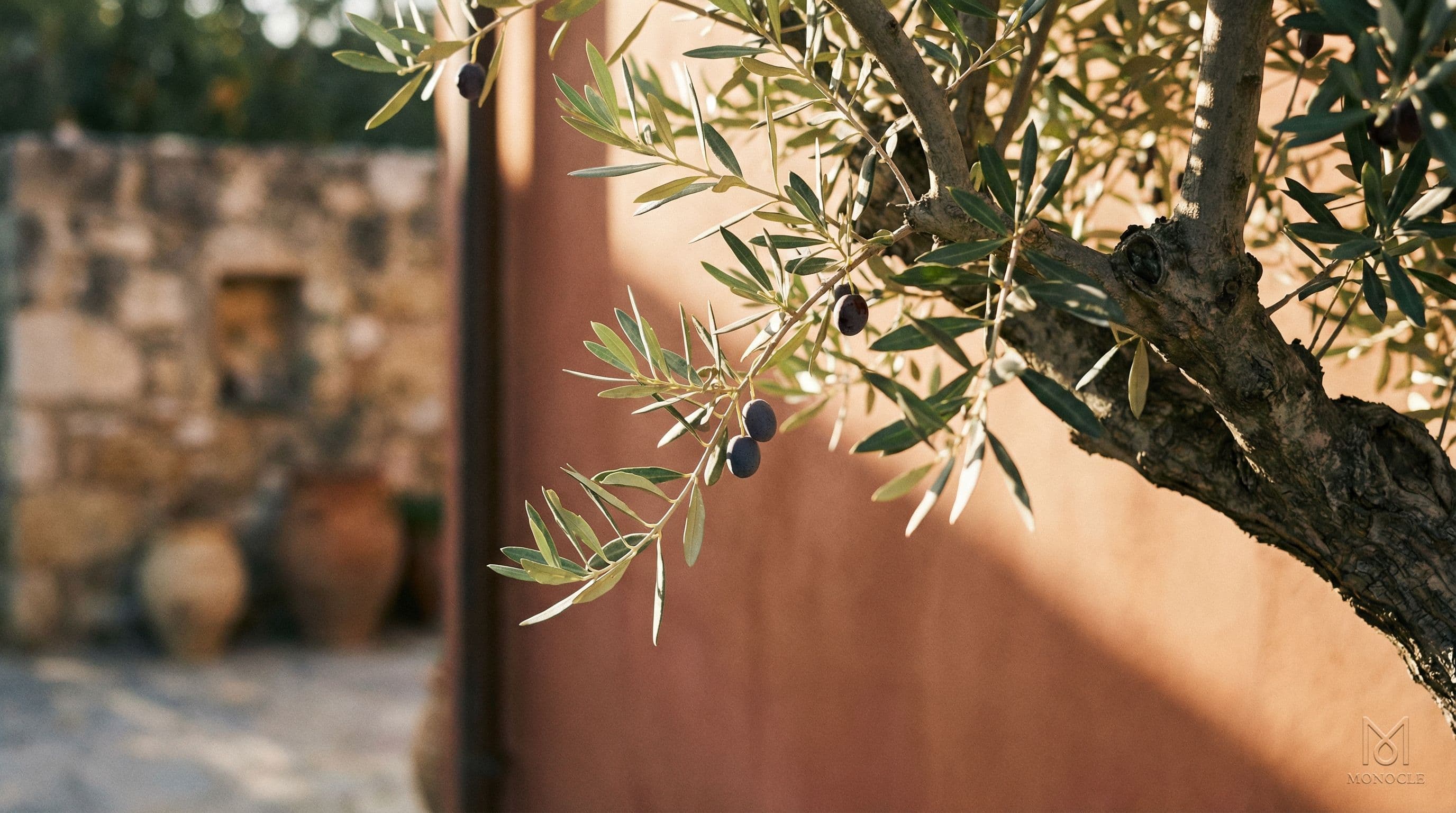
LIFE, EXPERIENCE, HOTEL
Day Trips from Coral Bay: From Akamas to Blue Lagoon